


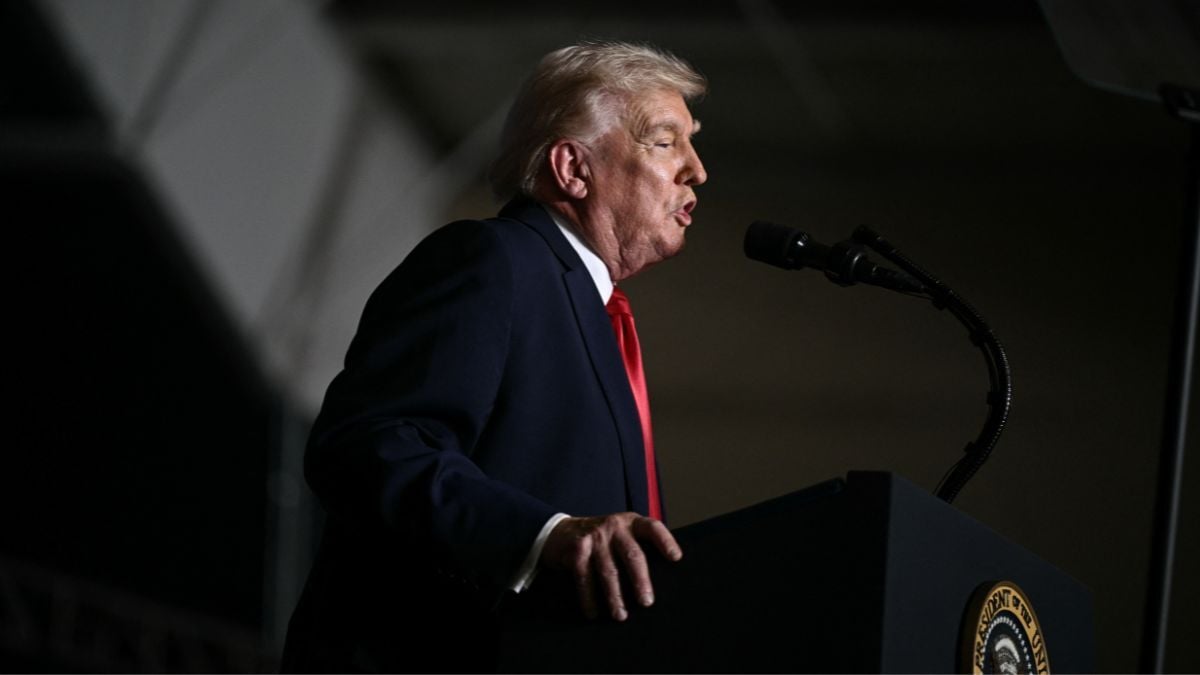
Gambiaj.com – (LUSAKA, Zambia) – The administration of President Donald Trump is facing criticism over a proposal that would link life-saving HIV treatment assistance to expanded American access to Zambia’s strategic mineral resources, a move critics describe as an indecent quid pro quo involving public health and natural resources.
According to a policy note prepared by officials in the Africa Bureau of the U.S. State Department and reported by The New York Times, Washington is considering a significant reduction in health aid to Zambia as part of a strategy to pressure the southern African nation into granting American companies easier access to its mineral wealth.
Life-Saving HIV Treatment at Stake
About 1.3 million people in Zambia currently rely on antiretroviral treatment funded through the U.S. President’s Emergency Plan for AIDS Relief (PEPFAR), a long-running American initiative that has helped millions across Africa access treatment for HIV/AIDS, as well as medication for tuberculosis and malaria.
The internal memo reportedly recommends that the United States demonstrate its willingness to publicly withdraw large-scale support if Zambia fails to agree to new conditions by May. Officials argue that such pressure is necessary to secure Washington’s strategic priorities.
If implemented, the proposed cuts could drastically reduce health assistance that has saved tens of thousands of lives annually in the country.
Minerals at the Center of Negotiations
Unlike similar health funding agreements signed with other countries, the proposed arrangement with Zambia reportedly includes provisions tied directly to access to the country’s mineral resources.
Zambia is one of the world’s leading producers of copper and holds substantial reserves of lithium and cobalt – minerals that are critical for modern technologies, including batteries and renewable energy infrastructure.
Under the draft proposal, the United States would provide approximately $1 billion in health funding over five years, provided that Zambia commits to increasing its own health spending by $340 million.
The amount, however, would still represent less than half of the health assistance Zambia previously received before the Trump administration’s sweeping reductions in foreign aid.
A second component of the negotiations seeks regulatory and policy changes that would allow American firms easier access to Zambia’s mineral deposits, which U.S. officials say are currently dominated by Chinese interests.
Additional Pressure Through Development Aid
A third element involves renegotiating an agreement with the Millennium Challenge Corporation, a U.S. development agency that promotes economic governance reforms.
The original 2024 agreement provided Zambia with a $458 million grant to support its agricultural sector. The Trump administration is now pushing to restructure that deal to include regulatory reforms affecting mining and other industries.
According to the internal memo, Zambia must accept all three conditions, including the mineral access provisions, by May in order to retain even a portion of the HIV-related health assistance currently delivered through PEPFAR.
Ethical Concerns Raised
The proposal has sparked concern among observers who argue that tying life-saving HIV treatment to geopolitical and economic objectives risks turning humanitarian aid into a bargaining tool.
With more than a million Zambians dependent on daily antiretroviral medication, critics warn that any disruption to the program could have severe public health consequences.










Leave a Reply