


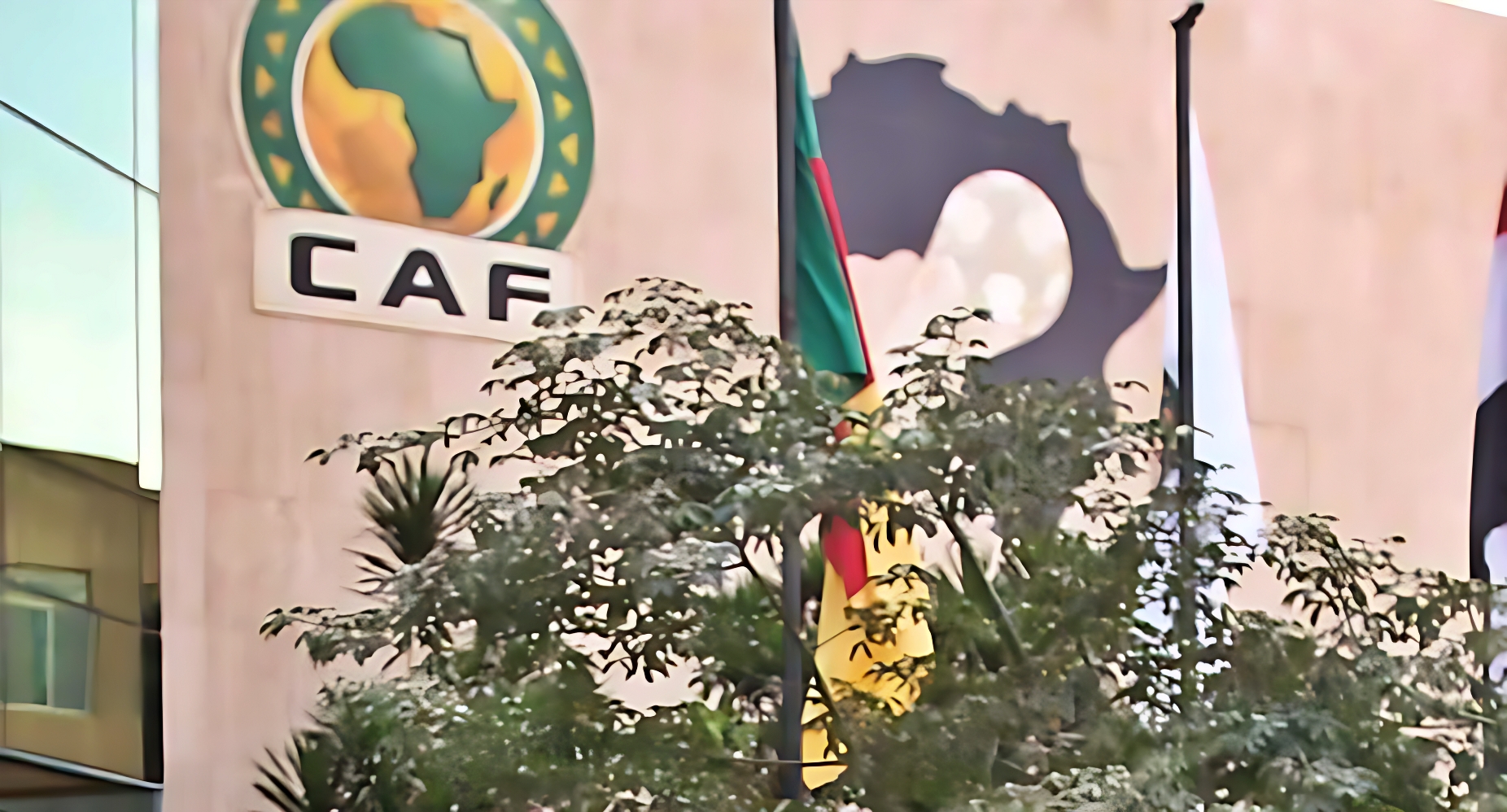
Gambiaj.com – (BANJUL, The Gambia) – A football match is meant to end with a whistle, not with a revision. The 2025 Africa Cup of Nations final produced a result that was clear, earned, and witnessed. Senegal defeated Morocco 1–0 after extra time. The contest was completed. The outcome was decided where it ought to be decided: on the pitch.
That should have been the final word.
Instead, the Confederation of African Football reopened the result and overturned it, citing a technical breach to award Morocco a 3–0 victory and the title. A match settled through play was recast as an administrative forfeiture. A victory earned on the field was nullified through procedure.
This is where concern turns into unease.
Rules are the backbone of sport. Yet their authority derives not merely from their existence but from their consistent, proportionate, and timely application.
When the most severe sanctions are imposed only after a match has concluded, rather than enforced in real time, unavoidable questions arise, not only about the rule itself but also about how and when it is deemed to matter.
Senegal did not abandon the match. They returned, they played, and they prevailed. Yet the ultimate sanction was applied retrospectively, without the immediacy that typically accompanies such decisive breaches. That gap between action and enforcement is not procedural trivia. It is the space where doubt takes root.
The position of FIFA has deepened that doubt. By incorporating CAF’s ruling into its official rankings, FIFA has already translated a contested decision into a tangible consequence.
Morocco receives the points of a champion. Senegal receives none. This occurs while the matter remains under appeal before the Court of Arbitration for Sport.
Formally, such a step may be defended as administrative continuity. Substantively, however, it carries broader implications. It signals that procedural decisions are being treated as settled outcomes before the adjudicative process has concluded. In governance, that distinction is not technical. It is foundational.
Across Africa, the reaction has followed a familiar and troubling pattern. Public voices have been swift, critical, and engaged. Analysts have questioned consistency. Supporters have expressed disbelief. Yet institutions have remained largely fragmented, cautious, and silent.
Silence in such moments is not neutrality. It is acquiescence.
What is at stake extends far beyond one final, one trophy, or one federation. It touches the credibility of competition itself. If results achieved on the field can be overturned after completion under circumstances that appear inconsistent or disproportionate, the certainty that underpins sport begins to erode. If decisions are implemented before appeals are exhausted, process risks overtaking justice.
And if such precedents settle unchallenged, they do not remain isolated. They become part of the system.
By the time the Court of Arbitration for Sport delivers its ruling, the architecture of the outcome may already be firmly in place: the title reassigned, the rankings adjusted, the record rewritten. Even if corrected later, the question will endure whether restoration can ever equal the weight of the original decision.
Sport depends on a simple covenant: that what is earned in play will stand unless clearly, consistently, and immediately invalidated by rules applied without ambiguity or delay.
On that night, the scoreboard reflected a truth that required no interpretation.
Senegal scored.
Morocco did not.
The question now is no longer about that match.
It is whether African football is prepared to defend the principle that results belong to the field of play or accept a future in which outcomes remain provisional, subject not only to rules but also to how and when power chooses to apply them.














Leave a Reply