


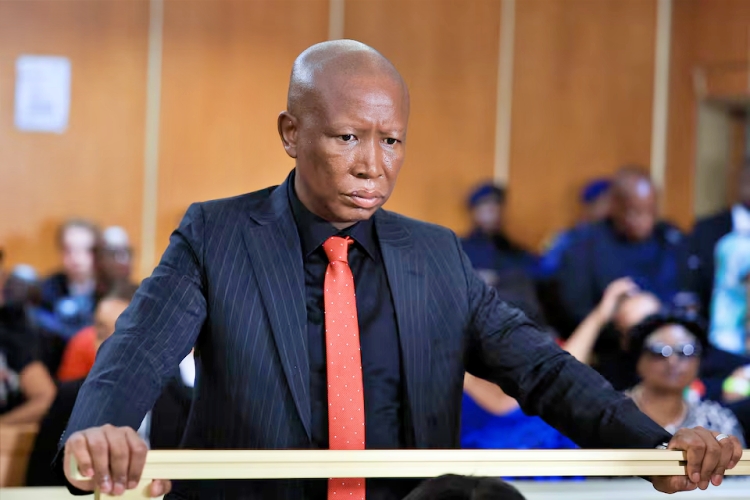
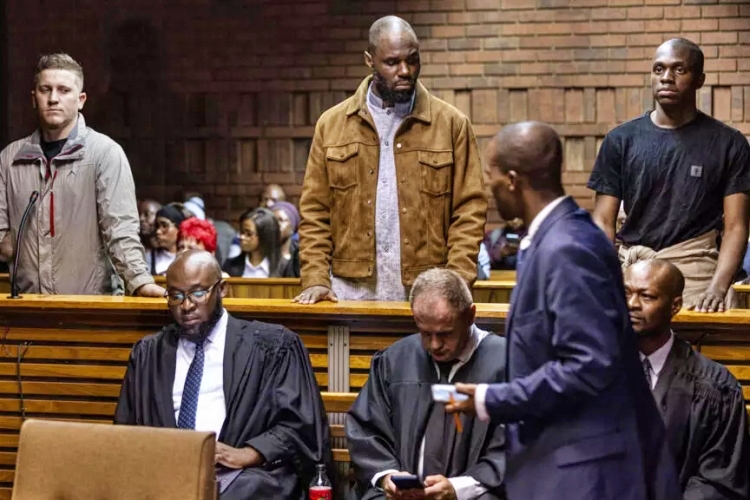
Gambiaj.com – (DURBAN, South Africa) – South Africa’s political landscape has been sharply divided following the sentencing of Julius Malema to five years in prison, with reactions ranging from strong endorsement of the judiciary to expressions of sympathy and concern over political implications.
Malema, leader of the Economic Freedom Fighters (EFF), was handed the sentence after being convicted on multiple firearm-related offenses stemming from a 2018 rally incident. He has since been released pending appeal, but the ruling has already triggered intense political debate.
Several political parties welcomed the court’s decision, framing it as a victory for the rule of law and judicial independence.
Opposition groups and smaller parties argued that the sentence sends a clear message that no political figure is above the law, particularly in cases involving public safety and firearms. According to reports, some parties stressed that accountability must apply uniformly, regardless of status or political influence.
The African National Congress (ANC), however, struck a more measured tone. Secretary-General Fikile Mbalula acknowledged the court’s ruling but expressed a degree of sympathy for Malema, highlighting the broader political and personal implications of the sentence.
While not disputing the legal process, Mbalula’s remarks suggested unease within the ANC about the consequences for South Africa’s political dynamics.
On the other hand, Malema and his supporters have rejected the ruling outright, maintaining that the case is politically motivated. The EFF has consistently argued that the prosecution forms part of a broader pattern of targeting its leadership, a claim the courts have dismissed.
The sentencing has also raised significant questions about Malema’s political future. If upheld on appeal, the conviction could disqualify him from serving in Parliament, dealing a major blow to the EFF and reshaping opposition politics ahead of future elections.
Analysts say the mixed reactions reflect deeper fault lines within South Africa’s political system—between those prioritizing strict legal accountability and those wary of how high-profile prosecutions intersect with political contestation. As the appeals process unfolds, the case is expected to remain a focal point in national political discourse.



Leave a Reply