


Gambiaj.com – (TEHRAN, Iran) – Iran has sharply rebuked calls from European leaders to reopen the Strait of Hormuz, as naval confrontations and competing blockades push the strategic waterway back into crisis.
Shipping traffic ground to a halt on Sunday after Iranian gunboats fired at vessels attempting to transit the strait, forcing ships to retreat and heightening fears of a prolonged disruption to global energy supplies.
The escalation came after Tehran reversed an earlier decision to reopen the strait, citing the continued U.S. naval blockade on Iranian ports, measures that threaten to choke off the country’s vital oil exports.
EU Call for Free Passage Rejected
Kaja Kallas, the European Union’s top diplomat, had urged Iran to guarantee open access to the waterway, stressing that international law requires transit routes such as Hormuz to remain free and accessible.
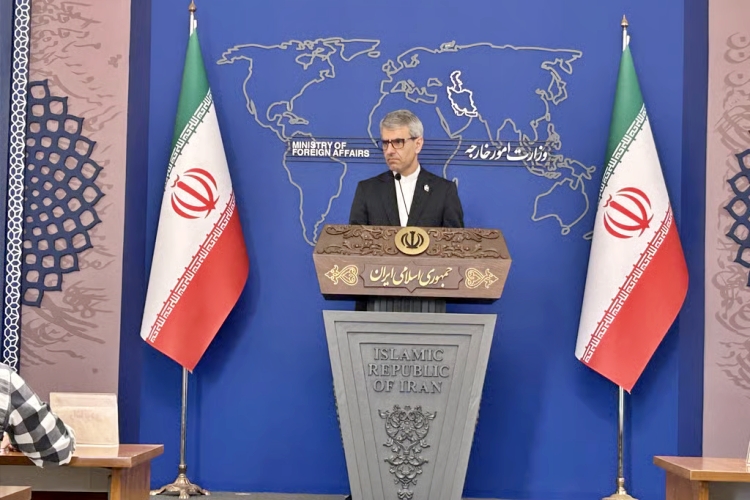
Her appeal was met with a scathing response from Tehran. Iranian foreign ministry spokesperson Esmaeil Baqaei dismissed the EU’s position as hypocritical, accusing Western powers of selectively invoking international law while backing military actions against Iran.
Baqaei argued that, as the coastal state, Iran retains the right to impose restrictions to prevent the strait from being used for military operations against it, adding that “unconditional transit passage” was no longer feasible under current conditions.
Global Pressure Mounts
The Strait of Hormuz, a critical artery through which roughly one-fifth of global oil and liquefied natural gas flows, has become a focal point of mounting geopolitical tension. Its closure is already driving up energy prices and raising concerns over economic fallout, particularly across Europe.
A joint international statement issued following a Paris meeting convened by Emmanuel Macron and Keir Starmer called for the “immediate, unconditional, and unrestricted” reopening of the strait.
However, Tehran has doubled down on its position, linking any relaxation of restrictions to the lifting of U.S. sanctions and the naval blockade.
Standoff Deepens Amid Fragile Truce
Iranian parliamentary speaker Mohammad Bagher Ghalibaf underscored the government’s stance, declaring it “impossible” for other nations to freely use the strait while Iran itself remains under blockade.
The standoff has complicated mediation efforts led by Pakistan and cast doubt over the extension of a fragile ceasefire set to expire in the coming days.
Although Iran briefly signaled a reopening of the waterway following a truce between Israel and Hezbollah, the move was quickly reversed after Donald Trump reaffirmed that U.S. restrictions on Iranian ports would remain in place until a broader agreement is reached.
Iranian President Masoud Pezeshkian, meanwhile, defended Tehran’s nuclear program, questioning Washington’s authority to deny Iran what he described as its legitimate rights.
Risk Of Wider Conflict
The latest confrontations have already seen vessels, including India-flagged ships, come under fire, prompting a renewed standstill in maritime traffic and raising the risk of further escalation.
With negotiations stalled and core disputes, particularly over Iran’s nuclear enrichment program, still unresolved, the situation in the Strait of Hormuz threatens to deepen the global energy crisis and push the region closer to renewed conflict as the war enters its eighth week.






Leave a Reply