



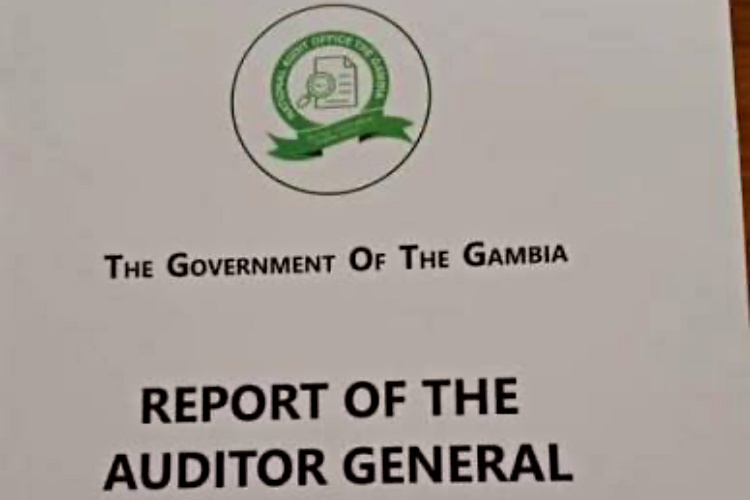
Gambiaj.com – (BANJUL, The Gambia)- The National Assembly is under renewed public scrutiny following concerns raised in its latest audit report, with questions centered primarily on the management of the Constituency Development Fund (CDF) and weaknesses in internal financial documentation.
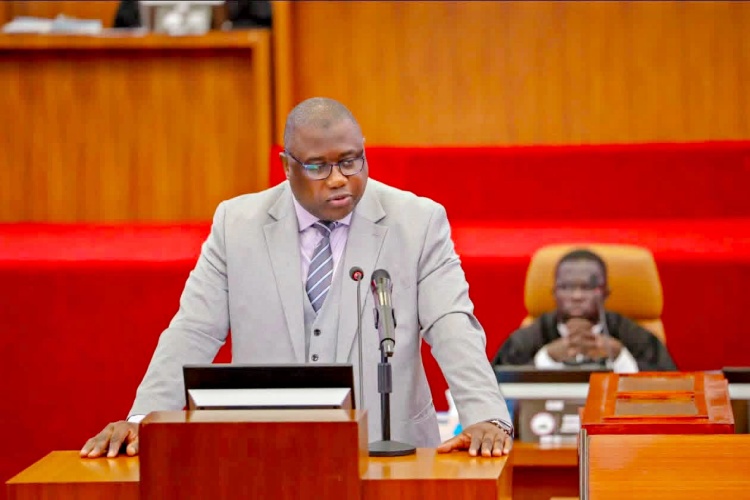
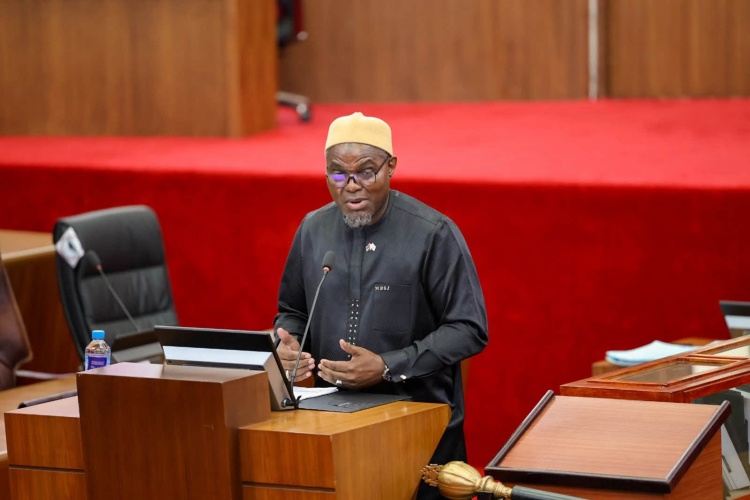
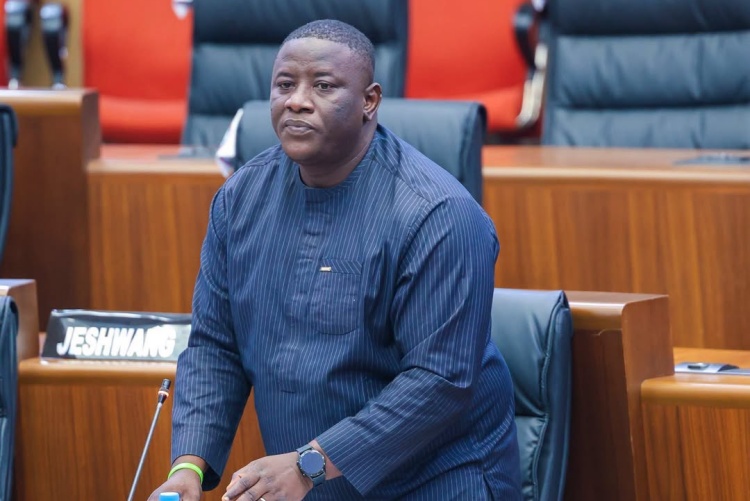
In response, Hon. Alhagie Mbow, a member of the Parliament and one of The Gambia’s representative at the Pan-African Parliament, has come forward to defend the principle of institutional accountability, arguing that Parliament must hold itself to the same standards it demands of others.
“We police people, so we must also be policed,” he said, describing the audit process as a routine and necessary element of sound institutional governance.
The audit findings, which have drawn considerable attention, highlight procedural gaps in record-keeping and documentation, particularly in relation to constituency-level development projects.
Hon. Mbow was, however, keen to draw an important distinction: that audit observations are professional assessments of compliance, not automatic evidence of financial misconduct.
“The auditor does not prepare your accounts; they review what you submit and form an opinion based on compliance and documentation,” he explained.
A significant portion of the audit observations concerns the CDF, a fund established to support small-scale development projects across the country’s constituencies. According to Hon. Mbow, the bulk of the concerns raised stem from documentation gaps, incomplete records, and procedural lapses rather than outright fraud.
“Most of the issues are about documentation. In some cases, invoices were not properly authorized or supporting documents were incomplete,” he said.
He further clarified the administrative structure governing the CDF, noting that the Office of the Clerk of the National Assembly serves as the vote controller and manages the fund administratively, while Members of Parliament are responsible only for identifying projects within their respective constituencies.
In most cases, he said, MPs are not directly involved in procurement or vendor selection, as those processes are handled through parliamentary administrative systems.
“In most cases, Members of Parliament do not even know the vendors until the final stages, when they are required to confirm that a project has been delivered,” he said.
Beyond documentation, the audit also raised concerns about the effectiveness of some completed projects, particularly instances where equipment or installations were delivered but left unused for extended periods.
Hon. Mbow acknowledged this as a genuine concern, attributing it to insufficient needs assessment and a lack of community ownership at the project conception stage.
“If a project is delivered but not being used, then we must ask whether there was proper consultation and whether the community fully embraced it,” he said.
Despite the audit’s findings, Hon. Mbow urged that they be viewed not as a crisis but as an opportunity for institutional strengthening. He said Parliament has accepted the observations and is actively working to improve its documentation systems and internal financial controls.
The National Assembly is expected to continue implementing reforms in response to the audit findings in the months ahead.





Leave a Reply