


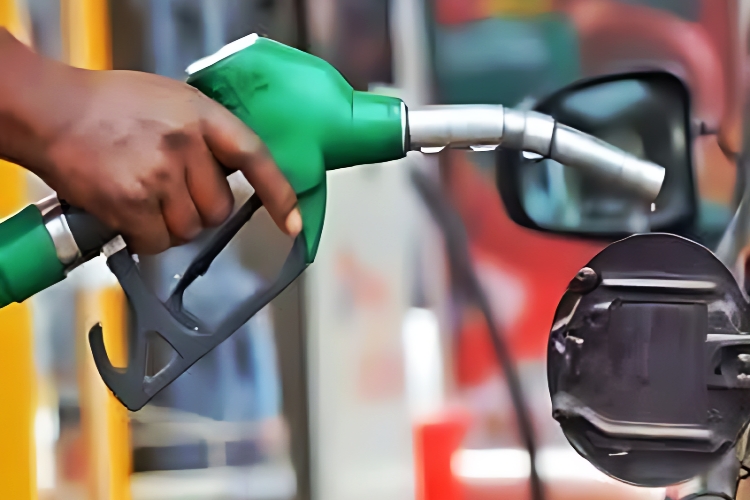
Gambiaj.com – (BANJUL, The Gambia) – The Government of The Gambia has reduced the retail price of gasoil (AGO) from D120.00 to D115.00 per liter, backed by a subsidy injection of over D150 million, as it moves to shield ordinary Gambians and businesses from the pressures of a volatile global fuel market.
The Ministry of Petroleum, Energy, and Mines announced the price cut on Sunday, describing it as a direct government intervention aimed at easing the financial burden on households, transport operators, and the broader productive sectors of the economy that depend heavily on fuel to function.
The price of petrol (PMS), however, remains unchanged at D112.00 per liter, the same as the previous month.
The D150 million subsidy, described by the ministry as targeted support, is intended to absorb a portion of the cost increases driven by prevailing international petroleum market conditions and supply chain pressures that have been pushing fuel prices upward across the world.
“While global fuel markets continue to experience volatility driven by geopolitical developments and international pricing trends, the Government remains proactive in implementing targeted measures aimed at maintaining affordability and protecting the welfare of Gambians,” the ministry said in its statement.
The reduction is likely to be welcomed by transport operators, including bus and taxi drivers, who have long argued that high gasoil prices erode their margins and force them to pass costs onto already-strained commuters.
For many Gambians, the price of fuel is not an abstract economic statistic but a lived reality that shapes the cost of getting to work, moving goods to market, and powering generators during power outages.
The ministry further reassured the public that fuel pricing decisions are arrived at through what it called “a transparent and evidence-based process,” one that weighs international market dynamics against national economic priorities, a signal that future adjustments, whether upward or downward, will continue to be guided by that framework.
The Gambia, like most small import-dependent economies, has limited control over the forces that set global crude oil prices. The decision to absorb part of those costs through public funds reflects a policy choice to prioritize economic relief over fiscal conservatism, at least in the short term.
The Ministry of Petroleum, Energy, and Mines said it remains committed to working with all stakeholders toward a stable, reliable, and sustainable petroleum sector for the benefit of all Gambians.













Leave a Reply