


Gambiaj.com – (BISSAU, Guinea-Bissau) – The legal battle surrounding detained Guinea-Bissau opposition leader Domingos Simões Pereira (DSP) has taken a new turn after a military investigating judge accepted his appeal, granting him access to his lawyers and allowing visits from family members while a higher court reviews his detention.
The ruling by Military Investigating Judge Mamadú Embaló marks a limited but significant legal victory for the president of the African Party for the Independence of Guinea and Cape Verde (PAIGC), who has been in military custody since July 10, 2026, over allegations linked to an alleged failed coup attempt in October 2025.
Appeal Accepted, Detention Under Review
In an order issued in case No. 1/2025, Judge Embaló ruled that Pereira’s appeal was filed within the legal deadline and contained sufficient legal grounds to warrant consideration by a higher court.
The appeal has now been forwarded to the appellate jurisdiction with suspensive effect, temporarily weakening the legal basis of the original pre-trial detention order. While the decision does not immediately free Pereira, it strengthens his defense team’s challenge to what they describe as an unlawful detention.
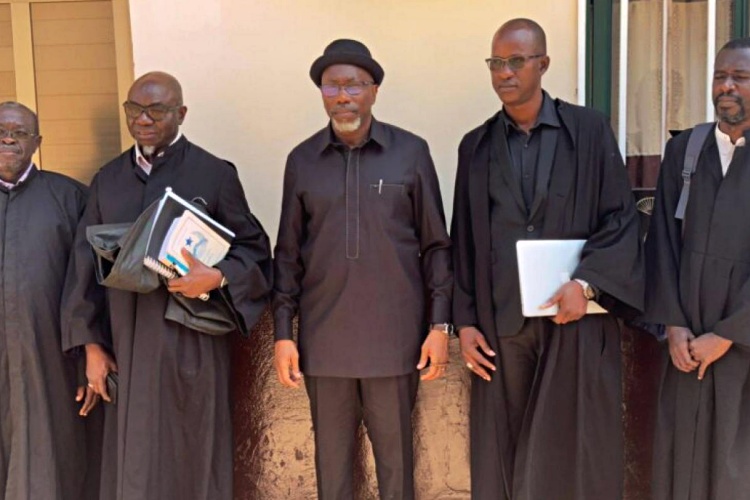
The judge also authorized Pereira to receive visits from relatives and to consult freely with his legal team, easing restrictions that had been imposed since his arrest.
High-Profile Case Deepens Political Tensions
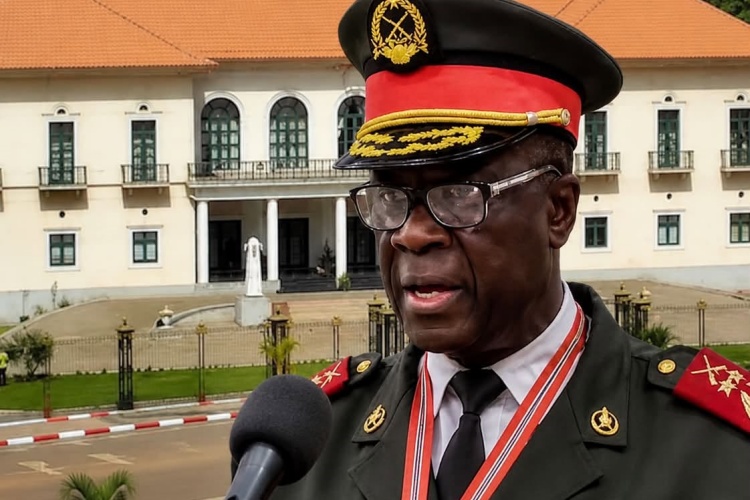
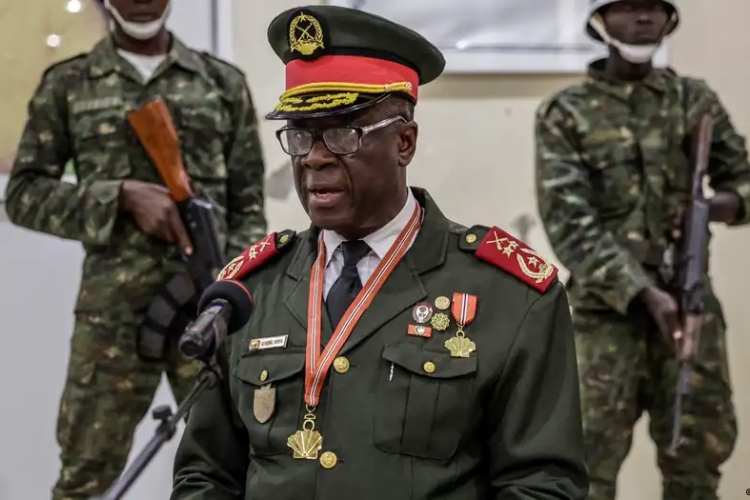
Pereira’s detention was initially confirmed by the Regional Military Court on July 10 as part of a broader investigation involving several military officers and civilians, including former Military Court President Brigadier General Daba Na Walna.
Authorities accuse those under investigation of involvement in an alleged plot to overthrow the government, an accusation that Pereira’s lawyers insist is politically motivated.
The case has once again highlighted the fragile relationship between civilian authorities and the military in Guinea-Bissau, a country that has experienced repeated coups, attempted coups, and prolonged political instability since independence.
Diplomatic Fallout with Cape Verde as Regional Pressure Mounts
The arrest has also triggered a diplomatic dispute between Guinea-Bissau and neighboring Cape Verde, countries with deep historical ties through the PAIGC independence movement.
Guinea-Bissau’s National Transition Council (CNT) announced on Wednesday that it was freezing relations with what it described as “the current ideological government of Cape Verde,” accusing Praia of interfering in Guinea-Bissau’s political and judicial affairs.
CNT spokesperson Fernando Vaz criticized Cape Verde’s call for Pereira’s immediate release, saying it was unacceptable for a foreign government to attempt to influence Guinea-Bissau’s justice system.
The sharp response followed a statement by the Cape Verdean government urging the “swift release” of the opposition leader, arguing that his detention raised concerns about due process and political freedoms.
The CNT further accused Cape Verde of aligning its foreign policy with European interests, insisting that historical ties between the two peoples should not be undermined by political disagreements.
Beyond Cape Verde, the Community of Portuguese Language Countries (CPLP) has also condemned Pereira’s arrest, calling for his immediate and unconditional release.
The growing international attention places additional pressure on Guinea-Bissau’s authorities as the higher court prepares to determine whether Pereira’s detention complies with the law and whether the evidence supporting the coup allegations is sufficient.
The outcome is expected to serve as an important test of the country’s judicial independence and its commitment to protecting fundamental legal rights amid a highly charged political environment.









Leave a Reply