



Gambiaj.com – (BISSAU, Guinea-Bissau) – Guinea-Bissau has begun preparations to publicize proposed changes to the country’s constitution ahead of a referendum scheduled for August 30, with authorities facing a race against time to ensure voters understand what they will be asked to approve.
The referendum will put before voters a new Constitution drafted by the National Transition Council (CNT), the body that assumed legislative powers after the High Military Command seized power and interrupted an electoral process before its results were known.
With less than three weeks before the vote, the campaign to inform citizens about the proposed constitutional changes has taken on added importance, particularly amid continuing questions over the legitimacy of the transitional authorities and the referendum itself.
Government Promises Public Presentation
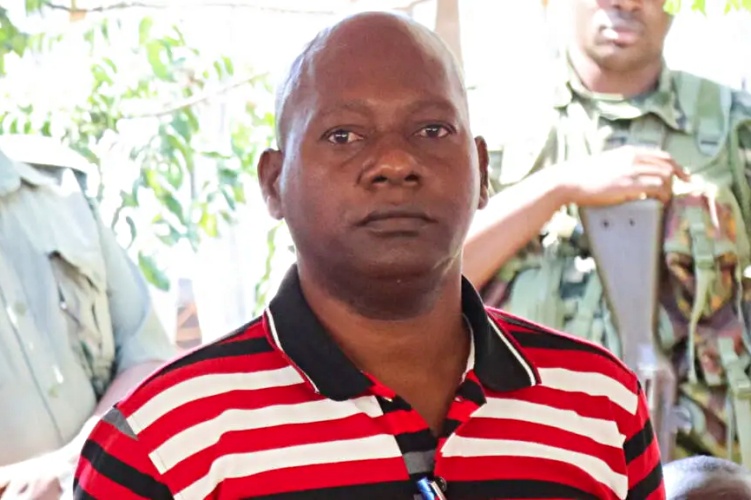
Transitional Prime Minister Ilídio Vieira Té said it was essential for citizens to have access to the proposed Constitution before casting their ballots.
“There will be a formal presentation of the document itself [the Constitution],” Té said. He added that the document was expected to be presented during the week and subsequently distributed to the regions so that citizens could familiarize themselves with its contents.
The Technical Commission for the Referendum of the CNT announced that it would launch a national campaign on August 13 to explain the proposed changes under what it called the “Campaign in Favor of the Referendum on the New Constitution.”
The campaign is expected to play a central role in helping voters understand the proposed document and the changes it would introduce to the country’s political and institutional framework.
Electoral Commission Maintains Neutrality
While the authorities responsible for drafting the Constitution are tasked with explaining its contents, the National Electoral Commission (CNE) says it will remain neutral on the substance of the referendum.
Nfamara Conté, a supervisor of civic education facilitators at the CNE, said the electoral body would not campaign for or against the proposed Constitution.
“The CNE never, under any circumstances, discusses the matter being voted on,” Conté said, stressing that the commission’s role was to manage the electoral process impartially.
Instead, CNE civic educators will focus on teaching voters how to cast their ballots correctly and avoid invalid or blank votes.
The commission has already trained civic educators and polling-station personnel and plans to conduct further awareness activities during the 17-day campaign period established by law.
Conté said the CNE had sufficient personnel to organize the referendum and pledged that the vote would be conducted according to the same principles applied during previous electoral processes.
“We have always worked to ensure that elections are free, fair, and transparent, and we will continue in this way,” he said.
Questions Over Legitimacy
The referendum, however, is taking place against a backdrop of political and legal controversy.
The CNT was established following the military takeover that disrupted an electoral process before the results were announced. Its role in revising the Constitution has consequently been questioned by critics who challenge the legitimacy of the transitional institutions.
The Guinean League for Human Rights (LGDH) has also argued that the referendum is illegal, pointing to legislation that prohibits holding referendums immediately before elections. Presidential elections are scheduled for December 6.
The dispute over the legality of the referendum adds another layer of uncertainty to a process that is already taking place under a transitional political arrangement.
Race Against Time
Beyond the legal and political questions, concerns are growing over whether voters will have enough time to properly examine the proposed Constitution.
The authorities have only a short period remaining before August 30 to distribute the document, explain its provisions, and ensure that citizens across the country have meaningful access to information about the proposed changes.
For the referendum to reflect an informed choice, voters will need to understand not only how to cast their ballots but also what the new Constitution would change in the organization and functioning of the state.
The central question now is whether the campaign will reach enough citizens, particularly outside the capital, before polling day and give them sufficient time to make an informed decision on a document that could fundamentally reshape Guinea-Bissau’s political system.











Leave a Reply