


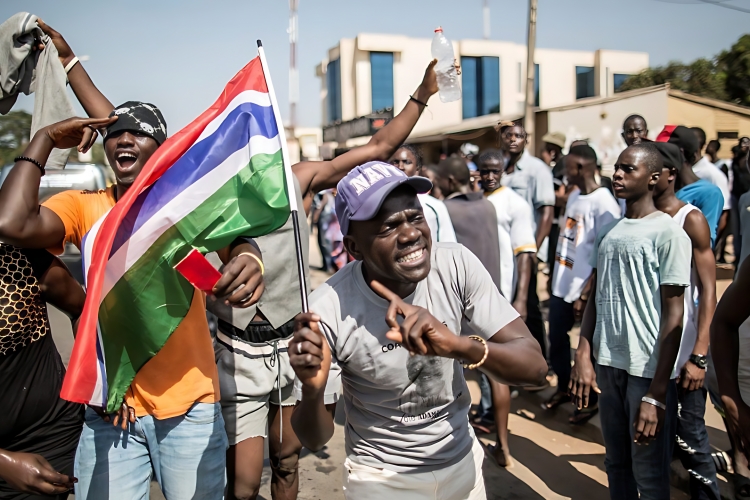
Gambiaj.com – (BANJUL, The Gambia) – Public debate in The Gambia has increasingly become a space of intense verbal confrontation, at times resembling a permanent courtroom where insults replace arguments and public condemnation overshadows serious discussion about the kind of society the country wants to build.
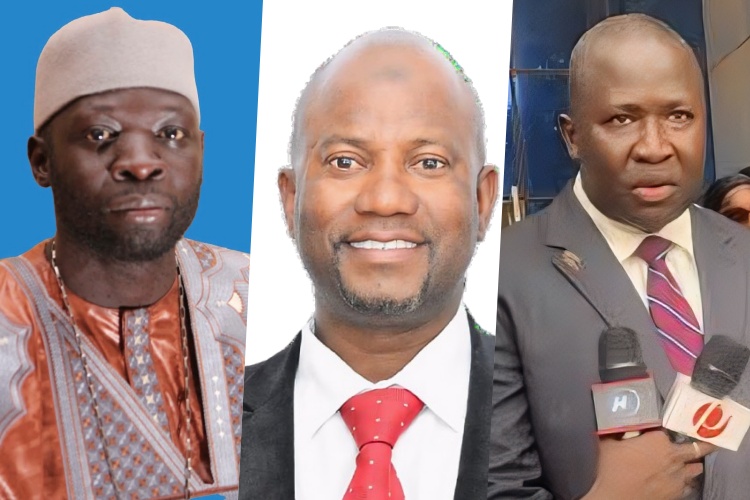
Whenever a political actor adjusts their strategy, changes sides or joins a presidential coalition, outrage often follows. They may be accused of betrayal, insulted or subjected to harsh public criticism.
While political accountability is essential in a democracy, an excessive focus on personalities and perceived betrayals can crowd out the more important debate about ideas, policies and political choices for the future of the country.
It is therefore worth asking whether some of this public anger reflects not only political disappointment, but also the difficulty of accepting the compromises, contradictions and shifting alliances that are part of democratic politics.
Democracy as a Mirror of Human Frailties
When Yahya Jammeh’s rule came to an end, many Gambians hoped that the return to democratic politics would usher in a fundamentally different political culture.
But democracy does not, by itself, make human beings more virtuous. Democracy is not a church; it is a space of freedom.
And that freedom includes, whether we like it or not, the possibility of political opportunism, changing positions, pursuing self-interest and engaging in tactics that may disappoint or frustrate others.
Such behavior is not unique to The Gambia.
Political actors in democratic systems can change alliances, abandon previous positions and recalculate their interests. These are uncomfortable realities of politics in a democracy, even if they do not always meet the standards of consistency or principle that citizens expect from their leaders.
Being outraged by every political realignment can therefore become exhausting and, at times, politically counterproductive.
Civic vigilance remains important, but it should not come at the expense of understanding why political actors make the choices they do and what those choices mean for voters.
The challenge is to remain politically alert without allowing anger to overwhelm reason.
The True Resilience of Democracy
The strength of democracy does not lie in the absence of political betrayals, broken alliances or changing loyalties. It lies in the ability of democratic institutions and citizens to absorb these developments and continue to function.
Its value is ultimately found in its resilience. Democracy gives political actors the freedom to adapt, anticipate manoeuvers, challenge their opponents and continue defending their convictions.
It also gives citizens the right to judge those choices.
No politician is given a blank cheque. No alliance is necessarily permanent, and political loyalty can change.
Ultimately, however, the people retain the power to assess political actors through free and credible elections.
Accepting democracy in The Gambia, therefore, also means accepting the turbulence that comes with it. The political struggle for the country’s future can exist alongside personal ambition, rivalry, compromise and political calculation.
The task is not to pretend these realities do not exist, but to ensure that they do not overwhelm the larger democratic project.
The Self-Violence of Idealism in the Face of Realism
To opposition forces, intellectuals and citizens who are exhausting themselves in anger over political defections and shifting alliances, a simple reminder is necessary: if you genuinely believe that your political, economic and social vision is best for The Gambia, devote your energy to defending it and making it convincing.
Every minute spent insulting a political defector or lamenting the perceived immorality of a former ally is a minute that could instead be spent explaining policies, engaging voters and building public confidence.
Political strength does not lie simply in denouncing the shortcomings of the political system. It lies in offering a credible alternative, anticipating political manoeuvers, adapting to them and, above all, proposing practical solutions to the problems that concern citizens: electricity, youth employment, healthcare, infrastructure and living conditions.
This is where the real test of democracy lies. Despite the noise, anger and confusion generated by personal ambitions and political rivalries, the final judgment belongs to the people at the ballot box.
Stop looking only at those who are leaving. Look instead at the people who are waiting.
Raise the level of the debate. Strengthen your programs. Explain your ideas. Offer credible alternatives.
Let political manoeuvering run its course, while the political forces that seek to lead the country focus on what ultimately matters: convincing Gambians.






Leave a Reply