


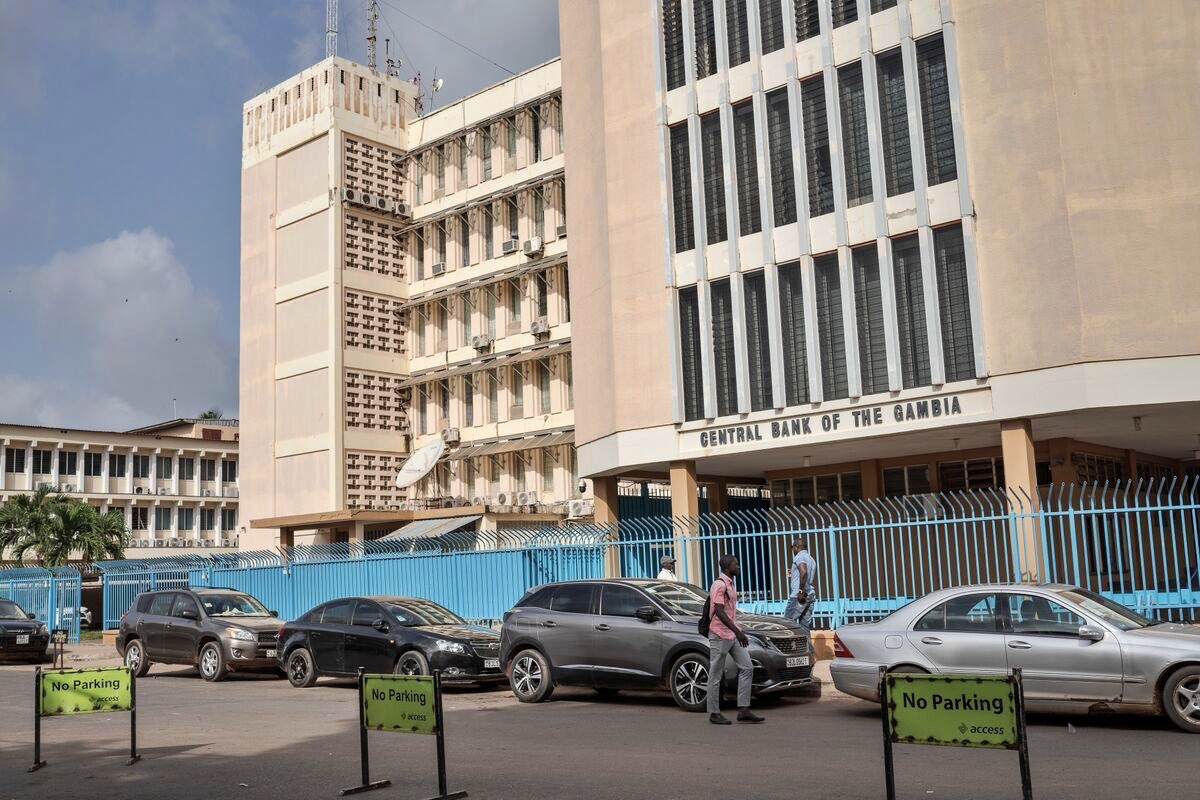
Gambiaj.com – (BANJUL, THE GAMBIA) – The Gambia’s domestic debt stock rose to D55.6 billion at the end of September 2026, representing 24.8 per cent of the country’s Gross Domestic Product (GDP), up from D52 billion at the end of 2025, according to the Central Bank of The Gambia.
The increase means domestic debt grew by D3.6 billion over the first nine months of 2026, while its share of GDP climbed from 23.2 per cent to 24.8 per cent.
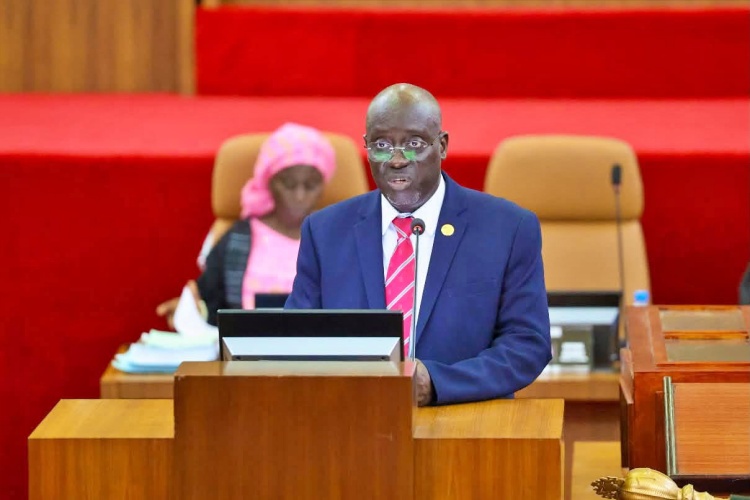
Central Bank Governor Buah Saidy disclosed the figures while presenting the outcome of the Monetary Policy Committee’s two-day quarterly meeting on Thursday.
Domestic debt refers to money borrowed by the government from lenders within the country to finance public spending. The borrowing is largely raised through treasury bills and government bonds purchased by commercial banks, businesses, individuals and other domestic investors.
The government is required to repay these loans, together with interest, within agreed periods.
Short-Term Borrowing Accounts For More Than Half
According to Saidy, short-term government securities, with maturities of one year or less, accounted for 53.9 per cent of the country’s domestic debt portfolio.
This means more than half of the government’s domestic debt is due for repayment within 12 months, potentially increasing the pressure to refinance existing obligations or mobilize resources to meet repayment deadlines.
The high proportion of short-term securities also means the government faces regular refinancing requirements as treasury bills and other instruments mature.
Fiscal Deficit Narrows As Revenue Improves
Despite the increase in domestic debt, the Central Bank reported an improvement in the government’s fiscal position during the first nine months of 2026.
The overall fiscal deficit, including grants, narrowed to 2.3 per cent of GDP, compared with 4.1 per cent during the corresponding period in 2025.
Government revenue and grants increased by 7.1 per cent to D32.2 billion, while the primary balance recorded a surplus of D718.5 million.
This represents an improvement from the primary deficit of D949.5 million recorded during the same period last year.
The primary balance measures the difference between government revenue and expenditure, excluding interest payments on public debt. A primary surplus indicates that the government collected more revenue than it spent on non-interest expenditure.
The Central Bank said fiscal consolidation was expected to continue, with the government prioritizing debt sustainability and domestic resource mobilization.
The measures, it said, were aimed at preserving fiscal and macroeconomic stability.
However, the rising domestic debt stock and the significant concentration of borrowing in short-term securities remain important considerations for the government’s debt management strategy.







Leave a Reply