


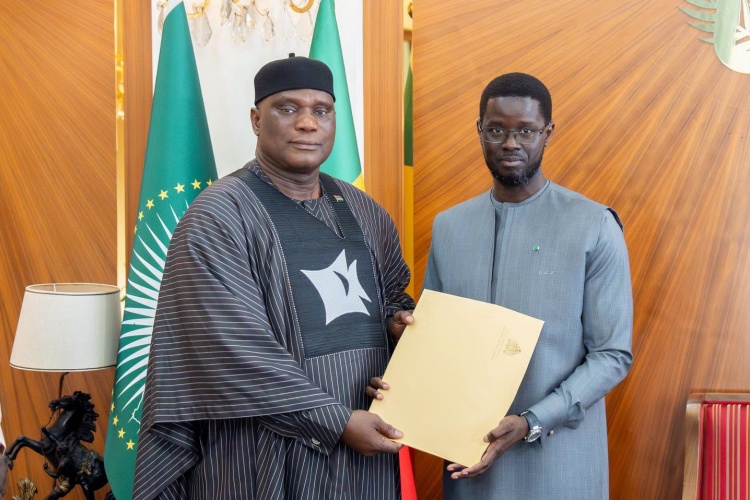
Gambiaj.com – (DAKAR, Senegal) – Barely days after diplomatic tensions flared over the demolition of part of the Bulock Military Camp perimeter fence, Senegal and The Gambia appear to have stepped up efforts at the highest political level to preserve their traditionally close relationship.
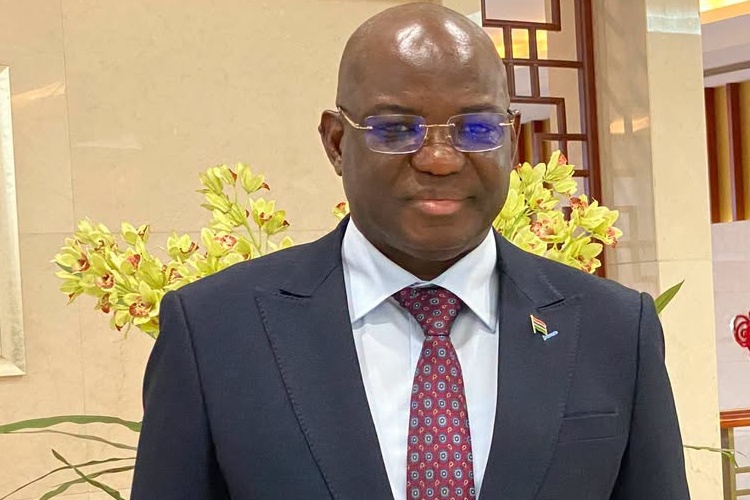
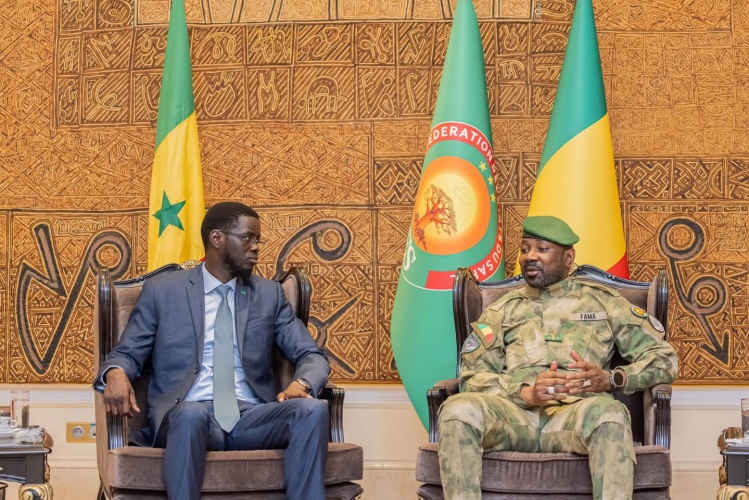
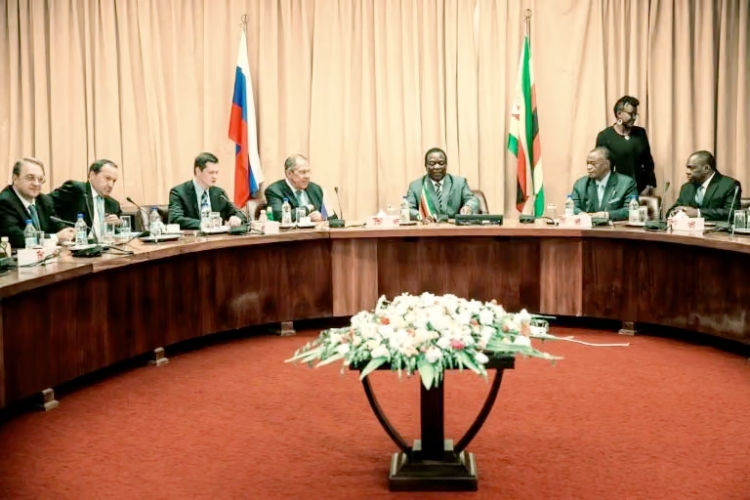
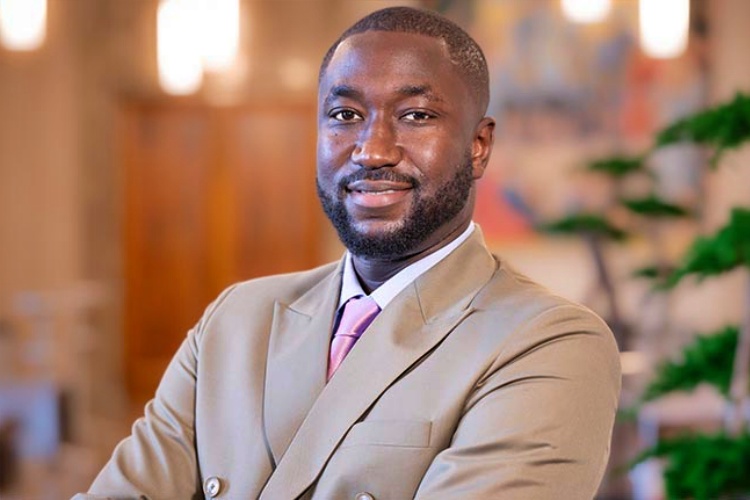
President Adama Barrow on Thursday dispatched Foreign Minister Sering Modou Njie to Dakar as his special envoy to deliver what was officially described as a message of friendship, peace, and fraternity to Senegalese President Bassirou Diomaye Faye.
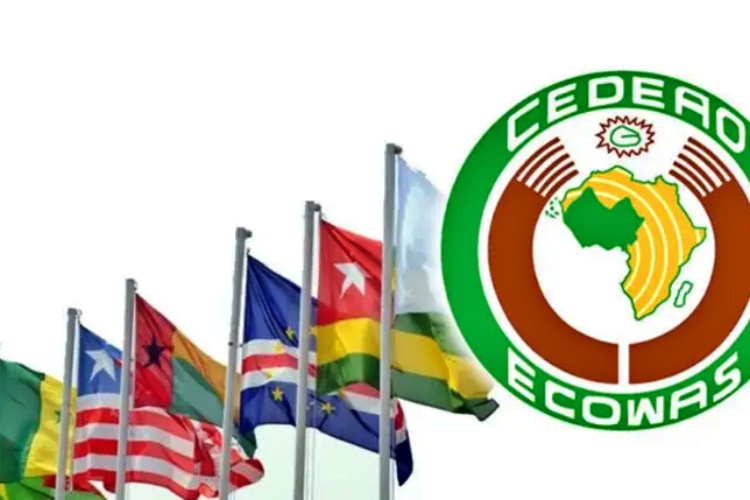
While the stated purpose of the visit was to congratulate President Diomaye on assuming the rotating chairmanship of the Economic Community of West African States (ECOWAS) and to commend the appointment of General Birame Diop as President of the ECOWAS Commission, diplomatic observers believe the mission also carried a more pressing message: preventing recent border tensions from undermining relations between the two neighbors.
Official congratulations, broader diplomatic agenda
According to the Senegalese Presidency, the Gambian envoy conveyed President Barrow’s congratulations to President Diomaye on his new regional leadership role and also praised the appointment of General Birame Diop to lead the ECOWAS Commission.
The Presidency said discussions were conducted in a cordial atmosphere and celebrated the longstanding cooperation between the two countries, rooted in shared history, culture, and neighborly relations.
However, it was the closing paragraph of the Senegalese statement that attracted particular attention. It noted that both sides reaffirmed “their common determination to continue strengthening this exceptional relationship in the service of regional integration, peace, stability, and the well-being of the populations of Senegambia.”
Although no reference was made to the recent border dispute, the language strongly suggested that preserving bilateral stability featured prominently in the discussions.
The Bullock incident remains fresh
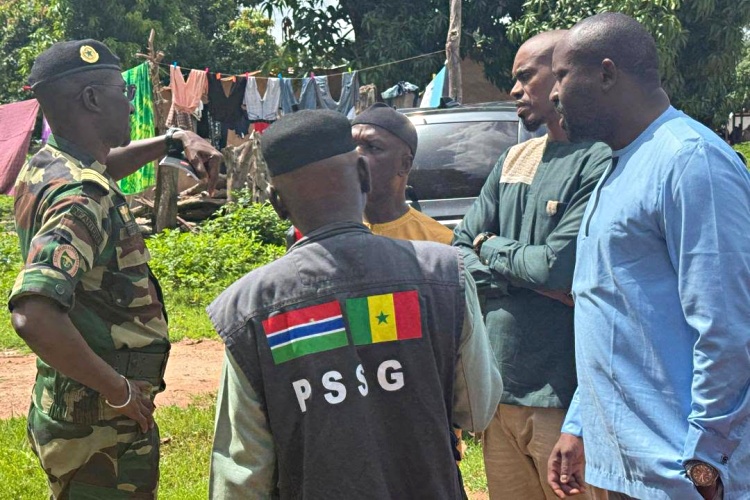
The meeting comes less than a week after the Bulock Military Camp incident triggered one of the most serious diplomatic exchanges between Banjul and Dakar in recent years.
The Gambian government accused Senegalese soldiers of entering Gambian territory and demolishing approximately 200 meters of the military camp’s perimeter fence without prior consultation. Banjul described the action as “profoundly provocative and totally unacceptable,” while stressing that the Gambia Armed Forces exercised restraint and that diplomatic engagement with Senegal was underway.
Senegal, for its part, maintained that the disputed area had been the subject of discussions for years and argued that it had repeatedly drawn Gambian authorities’ attention to what it considered encroachments in the area.
The contrasting narratives exposed sensitivities surrounding border management, but both governments deliberately avoided inflammatory rhetoric, signaling an intention to resolve the matter through diplomacy rather than confrontation.
Barrow’s regional support gives the message added significance
The timing of President Barrow’s envoy is also politically significant.
Throughout the recent ECOWAS leadership transition, President Barrow was widely seen as one of President Diomaye Faye’s strongest regional supporters. He also backed Senegal’s successful bid to secure the presidency of the ECOWAS Commission for General Birame Diop.
Against that backdrop, few diplomats are likely to interpret the visit as merely ceremonial.
Congratulatory visits between neighboring heads of state are common diplomatic practice. But in this case, the mission comes immediately after an unprecedented military-related dispute and at a moment when both governments have every incentive to prevent a local border disagreement from casting a shadow over broader bilateral cooperation.
Diplomatic sources in Dakar suggest there is little doubt that the Bulock incident and wider border management concerns formed part of the confidential exchanges between President Diomaye and President Barrow’s envoy, even if neither side publicly acknowledged the details.
Protecting the Senegambian relationship
For both governments, the stakes extend beyond a single border incident.
Senegal and The Gambia remain among West Africa’s most interconnected nations, with thousands of people crossing the border daily for trade, employment, and family ties. Security cooperation between the two countries has also deepened over recent years, particularly through joint efforts to combat cross-border crime and maintain stability in the Senegambia region.
The decision to engage directly through presidential channels therefore reflects recognition in both capitals that isolated incidents should not be allowed to damage a relationship built over decades of political, economic, and cultural interdependence.
By sending a trusted minister carrying a personal message from President Barrow, Banjul has signaled its preference for quiet diplomacy. Dakar’s warm reception and emphasis on peace, stability, and regional integration suggest a similar desire to move beyond recent tensions.
Whether the discussions also produced understandings on preventing future border incidents remains unknown. But Thursday’s high-level engagement indicates that both leaders are choosing dialogue over confrontation, seeking to ensure that the Bulock dispute becomes a temporary diplomatic setback rather than a lasting fracture in the Senegambian partnership.



Leave a Reply