


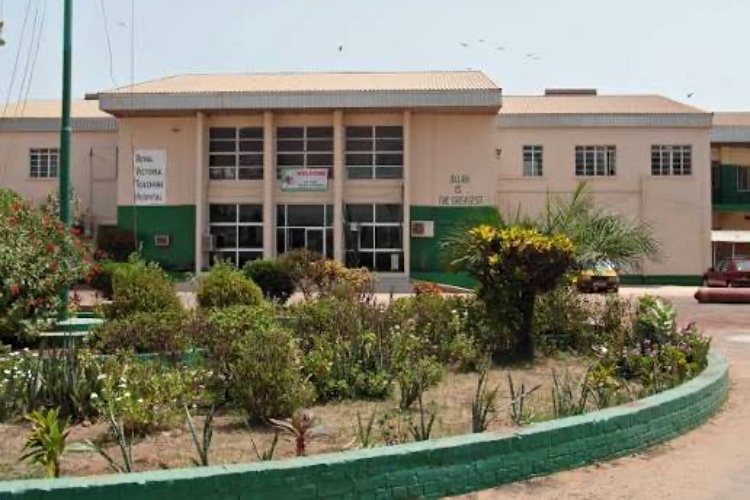
Gambiaj.com – (BANJUL, The Gambia) – The government has reversed the recent increase in user charges at public health facilities, restoring the fee to D25 following concerns raised by citizens during President Adama Barrow’s nationwide tour.
The reversal means patients will once again pay D25 after the charge was increased fourfold to D100, a move that sparked widespread concerns about the affordability of healthcare, particularly for low-income families.
Information Minister Dr. Ismaila Ceesay announced the decision during an appearance on West Coast Radio’s Coffee Time, saying the government acted after citizens repeatedly raised concerns about the increased charges during the President’s engagements across the country.
According to Ceesay, the decision reflects the government’s commitment to affordable healthcare and universal health coverage.
He said President Barrow’s nationwide tour provided citizens with an opportunity to directly communicate their concerns to the government, including the impact of the increased health facility charges.
“The President listens to Gambians and feels their pain,” Ceesay said, explaining that concerns raised during the tour contributed to the decision to restore the previous charges.
The reversal comes amid continuing public debate over the cost of accessing healthcare in The Gambia, where higher medical charges can place additional pressure on households already struggling with rising living costs.
Ceesay also highlighted existing government policies under which antenatal care and healthcare for children under five remain free nationwide, alongside the National Health Insurance Scheme.
However, the decision to return the charge to D25 also raises questions about the sustainability of funding for public health facilities.
The government has yet to publicly provide a detailed explanation of the financial implications of reversing the increase or whether alternative measures will be introduced to compensate health facilities for the revenue lost as a result of the policy change.
For patients, the immediate impact is clear: a charge that had risen from D25 to D100 is now back at D25.
But the policy U-turn leaves a broader question hanging over the healthcare sector: how will the government balance the need to keep healthcare affordable for ordinary Gambians with the need to ensure that public health facilities have adequate and sustainable funding to deliver quality services?













Leave a Reply