


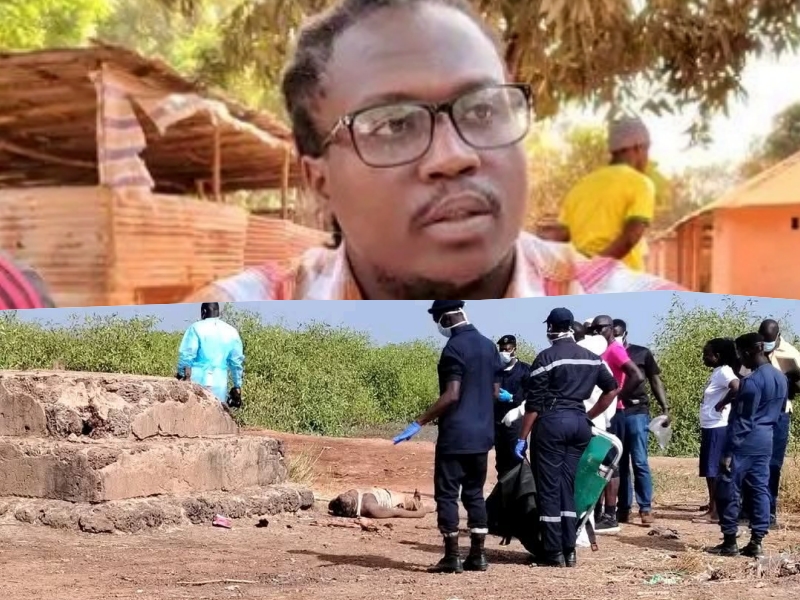
Gambiaj.com – (BISSAU, Guinea-Bissau) – A prominent activist who openly opposed the military authorities in Guinea-Bissau has been found beaten to death near the capital, in a killing that has intensified suspicion and fear among civil society groups about the role of the ruling junta.
Vigário Luís Balanta, a 35-year-old activist and president of the Revolutionary Movement “Pó di Terra,” was discovered dead in a rice field near N’dam, about 30 kilometers from Bissau, according to local media reports.
Balanta, who had been an outspoken critic of the military transition led by General Horta N’Tam, was reportedly beaten to death.
Images circulating from the scene showed the activist without shoes, with torn clothes, visible injuries, and bloodstains, suggesting he had been violently assaulted.
Vocal Critic of the Military Transition
The activist had emerged as one of the most vocal opponents of the military authorities since the coup that ousted President Umaru Sissoco Embaló in November 2025.
Through his civil society organization, Balanta repeatedly denounced the junta and demanded the publication of the results of the disputed presidential election held that month.
Balanta maintained that opposition candidate Fernando Dias had won the vote, contradicting the narrative of the military authorities.
In several public statements and interviews, three months ago, he accused the military leadership of suppressing dissent and called for the release of political prisoners as well as the restoration of democratic rule.
Friends and rights activists say Balanta had previously disappeared under suspicious circumstances before being released, and had received repeated death threats because of his activism.
Despite the risks, he continued to publicly challenge the junta, posting a video on social media just a day before his body was discovered.
The circumstances surrounding his death have fueled widespread suspicion that elements linked to the military authorities may have been involved, though no official explanation has yet been provided.
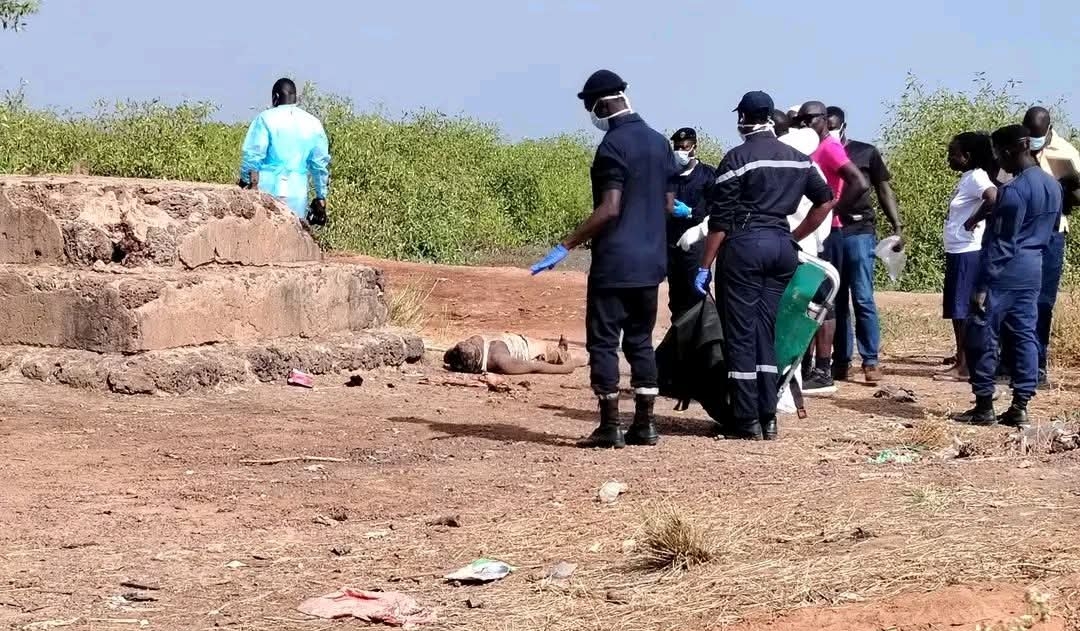
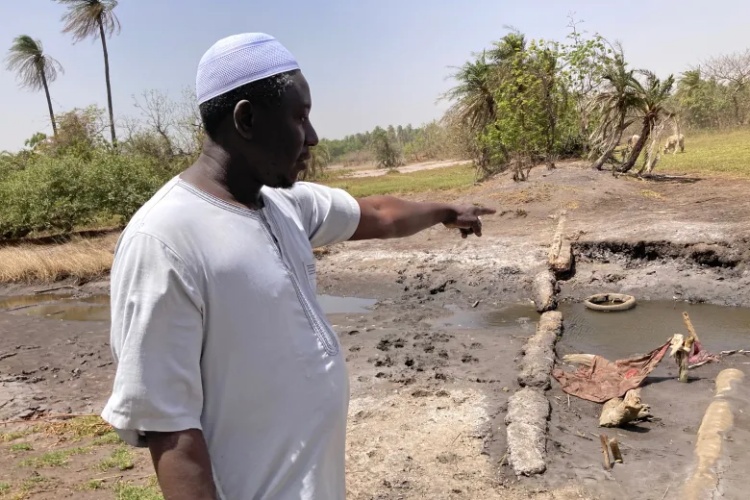
Luis Balanta’s body was found near N’dam, about 30 kilometers from Bissau
Rights Groups Warn of Growing Repression
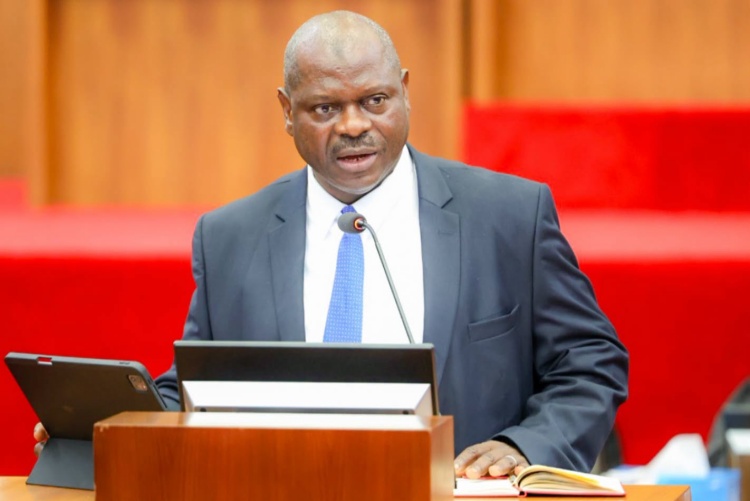
The killing was swiftly condemned by the Liga Guineense dos Direitos Humanos, whose president, Bubacar Turé, described the incident as a grave warning about the dangers facing citizens who exercise their fundamental rights.
Speaking during the launch of a report on the country’s human rights situation between 2023 and 2025, Turé said the murder demonstrated that individuals who openly criticize authorities may now face extreme risks.
“This is a serious signal of insecurity,” he said, visibly emotional, warning that the exercise of basic rights in the country could increasingly become life-threatening.
Balanta’s body was taken to the morgue at the National Hospital São Mendes in Bissau following the discovery.
Junta Suspends Private Radios
Shortly after news of his death began circulating on Tuesday, the transitional authorities ordered the suspension of several private radio stations for an alleged lack of proper licenses. The suspension was announced for seven days but could be extended if deemed necessary.
Human rights organizations say the move further deepens concerns about a deteriorating climate for freedom of expression in the country.
A report released by the human rights league alongside its condemnation of Balanta’s killing warned that Guinea-Bissau has experienced a “significant regression” in human rights in recent years, citing arbitrary arrests, ill-treatment, restrictions on free speech, and weaknesses within the judicial system.
The report also pointed to a growing gap between the country’s international commitments, including recommendations made during the United Nations Human Rights Council Universal Periodic Review, and the realities on the ground.
Balanta’s killing has now become a flashpoint in the tense political climate, with activists warning that the death of one of the junta’s most outspoken critics could further intimidate dissenting voices across the country.






Leave a Reply