


Gambiaj.com – (BANJUL, The Gambia) – This reflection examines The Gambia’s recent health sector experience from a systems perspective. It focuses on how institutions, partnerships, and implementation arrangements worked together during a period of crisis-driven investment, rather than assessing any single institution or administration.
Every so often, a story unfolds quietly—not through headlines or ceremonies, but through results that gradually become part of people’s daily lives. In The Gambia’s health sector, such a story has been unfolding over recent years.
Many people still remember the fear and uncertainty that accompanied the COVID-19 pandemic. What is discussed less often is how that difficult period became a turning point for strengthening the country’s health system and accelerating critical investments.
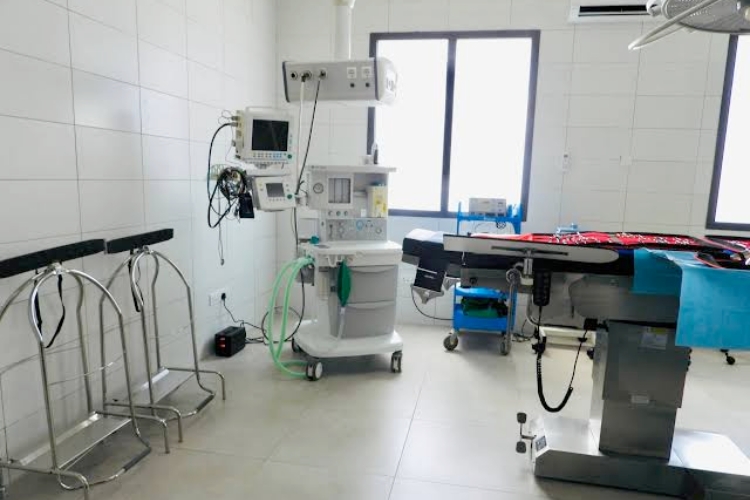
Today, the results are visible across the country. Oxygen systems are helping save lives in critical care settings. Medical waste management has improved. Laboratories have been strengthened. Health facilities have been upgraded. New infrastructure is taking shape.
These changes did not occur by chance. They resulted from emergency financing, institutional coordination, technical expertise, and sustained implementation under exceptionally challenging global conditions.
At the center of this effort was the Ministry of Health and its Projects Coordination Unit, which played a key role in organizing and supporting implementation. Its responsibilities extended well beyond project administration.
The Unit helped translate policy priorities, financing arrangements, and strategic plans into practical action. This included procurement, financial management, reporting, supervision, and coordination across multiple levels of the health system.
The experience also offers a broader lesson for public sector reform. Institutions and implementation arrangements should ultimately be assessed by their ability to deliver results, maintain accountability, and advance national objectives.
As governments evolve and administrative structures are reviewed, decisions concerning institutional arrangements are most effective when guided by evidence, performance, and service delivery outcomes rather than organisational preferences alone.
Development partners also played an important role. The World Bank, in particular, provided both financing and technical support during a global emergency. Working alongside national institutions, it helped ensure that urgent pandemic response measures were delivered while simultaneously laying the foundation for longer-term health system strengthening.
Technical experts and implementation teams contributed significantly to maintaining momentum during a highly challenging period. Their experience reinforces an important lesson: progress in public service rarely results from the efforts of a single actor. More often, it emerges from institutions and individuals working together toward a common objective.
The COVID-19 Preparedness and Response Project was designed to help The Gambia prevent, detect, and respond to the pandemic while strengthening the health system. Even under emergency conditions, the project demonstrated how public institutions can deliver when coordination, technical capacity, and commitment converge.
By the project’s completion, most targets had been achieved, and it received a Highly Satisfactory rating within its results framework. Investments expanded oxygen supply systems, improved medical waste management, trained frontline health workers, strengthened disease surveillance, and enhanced laboratory capacity. Several infrastructure projects also progressed from design to completion—or near completion—during this period.
These achievements should be viewed as part of a longer journey rather than a final destination. As with many health sector reforms, lasting success depends on what follows implementation, particularly in relation to staffing, maintenance, financing, and the consistent delivery of quality services.
Among the most visible outcomes of this period are the National Emergency Treatment Centre in Farato and the National Food and Drug Quality Control Laboratory in Brusubi. Developed during a time of global uncertainty, these facilities reflect a deliberate effort to strengthen national capacity for emergency care and regulatory oversight.
The Farato facility is expected to enhance emergency and critical care services, while the Brusubi laboratory will strengthen national capacity to ensure the safety and quality of medicines, food products, and other regulated commodities. With their official opening anticipated soon, both facilities represent an important step in the transition from emergency investment to long-term institutional capacity.
The COVID-19 response project was complemented by the Essential Health Services Strengthening Project, which broadened the focus beyond emergency preparedness. The program supported investments in health infrastructure, medical equipment, digital systems, and workforce development, contributing to wider health sector strengthening objectives.
One particularly important area of progress has been human resource development. Support for postgraduate medical training and specialist education has helped address shortages in critical clinical disciplines. Investments in nursing, midwifery, dentistry, laboratory sciences, and allied health training have also contributed to building a stronger and more resilient workforce.
This reflects a simple reality: buildings and equipment are essential, but skilled professionals remain at the heart of effective healthcare delivery.
Like all major public programs, implementation was not without challenges. Procurement constraints, global supply chain disruptions, and the complexities of coordinating multiple stakeholders required continuous adaptation. Such difficulties are common in large-scale development programs and were addressed through collaboration, flexibility, and sustained commitment.
The overall results reflect the combined efforts of many actors. The Ministry of Health provided policy leadership and strategic coordination. Implementation teams supported operational delivery.
Development partners contributed financing and technical expertise. Health workers across the country continued to provide services under demanding circumstances. Together, these contributions helped strengthen the foundations of the national health system.
One lesson from this experience is that public sector achievements often attract less attention than public sector shortcomings. Yet steady improvements in systems, infrastructure, and services can generate meaningful change over time, even when they unfold away from the public spotlight.
For citizens, what matters most is not the structure of projects or the mechanics of implementation. What matters are better services, improved facilities, stronger emergency preparedness, and more reliable healthcare.
The true test of these investments will be how effectively they are sustained. This includes ensuring adequate staffing, routine maintenance, sustainable financing, and a continuing commitment to quality improvement as facilities transition fully into regular service delivery.
As The Gambia continues to strengthen its health system, the work undertaken during this period will remain part of its foundation. Future generations may benefit from hospitals, laboratories, training institutions, and health services whose origins they may never fully know.
Such is often the nature of national development. The individuals and institutions that help lay the foundations for progress are not always visible in the final outcome, yet their contributions become woven into the fabric of the nation. What ultimately matters is not who receives recognition, but whether the investments endure and continue to improve people’s lives.
In the end, this is not simply a story about projects. It is a story about how systems respond under pressure, how institutions collaborate, and how dedicated professionals contribute quietly to national progress. The lasting significance of these investments will be determined not only by what was built but also by how effectively those foundations are sustained, expanded, and strengthened in the years ahead.














Leave a Reply