


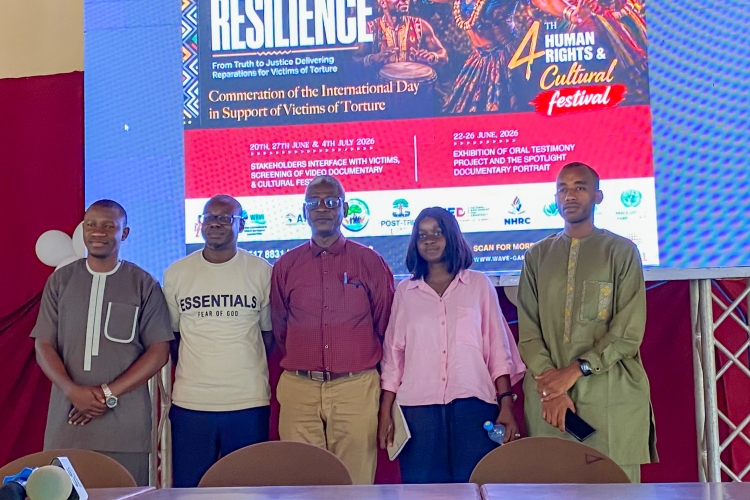
Gambiaj.com – (BANJUL, The Gambia) – Human rights advocates have warned that torture continues to occur in The Gambia despite the enactment of the Prevention of Torture Act, arguing that legal reforms alone cannot dismantle entrenched attitudes, abuse of power, and institutional cultures that enable such violations.
The concerns were raised during the 4th Human Rights and Cultural Festival organized by WAVE Gambia to commemorate the International Day in Support of Victims of Torture. The event was held under the theme “Echoes of Resilience.”
Speaking in an interview, Priscilla Yagu Ceesay, Co-Founder and senior technical adviser at WAVE Gambia, said the persistence of torture points to challenges that extend beyond legislation, including the mindset of individuals operating within positions of authority.
She noted that some violations continue because certain actors remain influenced by systems and practices from the past, where abuses of power were tolerated.
“It is sad that acts of torture continue to be perpetrated against individuals in different forms because we still have people within systems and structures that enabled these acts in the past,” she said.
According to Ceesay, legal reforms must be accompanied by behavioral change, stronger accountability mechanisms, and effective institutional responses to complaints. She warned that violations are likely to persist where perpetrators believe they can act with impunity.
“If there is impunity for acts of torture and human rights violations, and people are not held accountable, then others may believe they can also commit such acts and get away with it,” she added.
While describing the Prevention of Torture Act as an important milestone, Ceesay stressed that its effectiveness ultimately depends on enforcement and the commitment of institutions to apply the law fairly and consistently.
Member of the National Assembly Madi Ceesay echoed similar concerns, arguing that legislation alone cannot prevent abuse unless victims and citizens are encouraged to report violations and authorities act on those reports.
“Laws do not have lives. They are just pieces of legislation. They can only work when people report and the relevant authorities take action,” he said.
He added that public confidence in the justice system depends on visible accountability, noting that effective enforcement would send a clear message that torture and abuse of power will not be tolerated.
Representing the Ministry of Justice, Mariama Sighateh said the government and its partners have conducted awareness campaigns on the Prevention of Torture Act. However, she acknowledged that allegations of torture must undergo investigation and legal procedures before prosecutions can proceed.
She emphasized that combating torture requires collaboration among law enforcement agencies, justice sector institutions, civil society organizations, and local communities.
Discussions at the festival also underscored the need for sustained human rights education, institutional reform, and the promotion of a culture in which respect for human dignity is central to public service.
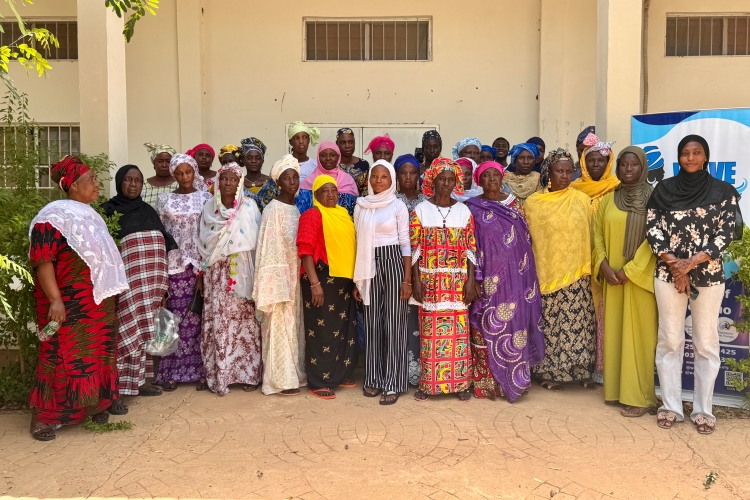
The Human Rights and Cultural Festival brought together victims’ groups, civil society organizations, government officials, and community members for discussions, exhibitions, and cultural activities focused on resilience, justice, and accountability.







Leave a Reply