


Gambiaj.com – (DAKAR, Senegal) – Senior African human rights experts and feminist leaders gathered in the Senegalese capital on Monday, June 16, 2026, for a high-level consultation aimed at strengthening protection mechanisms for Women Human Rights Defenders (WHRDs) across West Africa, a region where those who speak truth to power increasingly do so at great personal risk.
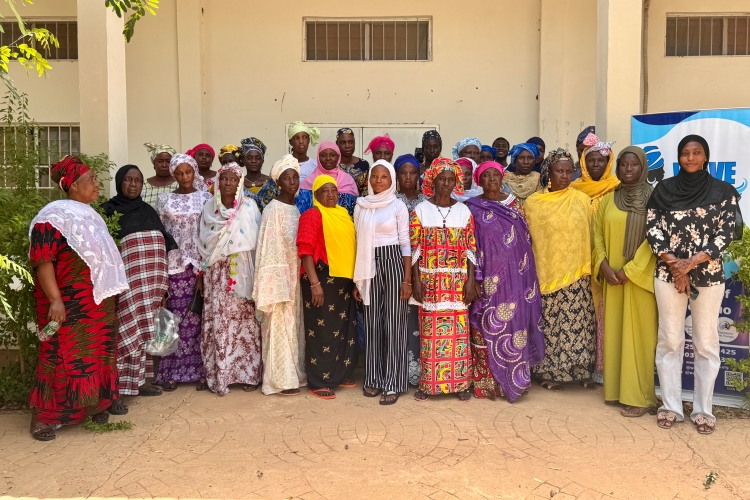
Organized by the Réseau des Femmes Leaders pour le Développement (RFLD), the consultation convened approximately 30 participants, including defenders from Mali, Burkina Faso, Niger, Guinea, and Senegal. It was held under the theme “Solidarity, Protection, and Lineage of Resistance,” a framing that deliberately situates today’s advocacy within a longer, unbroken arc of African women’s struggle.
The Gap Is Not in the Law; It Is in the Living of It
The central tension running through the day’s discussions was one familiar to human rights practitioners across Africa: the continent possesses a robust normative framework for protecting rights, yet the women most in need of that protection remain largely unreached by it.
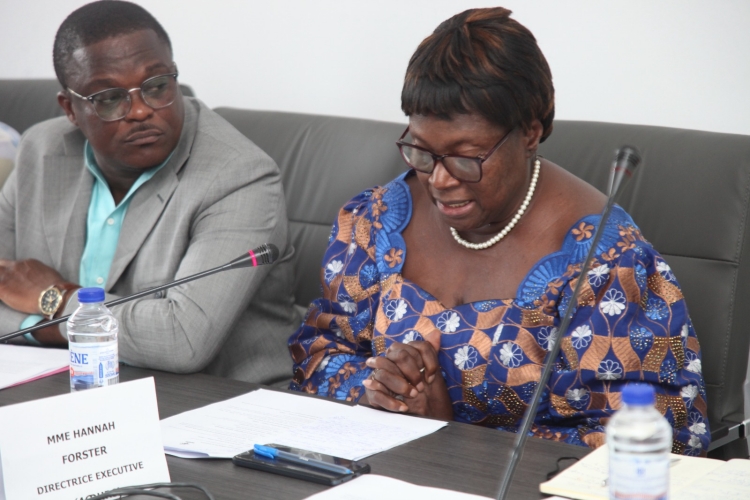
Hannah Forster of the African Centre for Democracy and Human Rights Studies (ACDHRS) put it plainly: the problem is not a shortage of legal instruments but a failure to translate continental commitments into enforceable, accessible protections at the national level. Her intervention urged the development of stronger pathways to close that implementation gap.
Legal scholar Prof. Mabassa Fall reinforced the point, noting that existing regional mechanisms such as the African Commission and Court on Human and Peoples’ Rights often operate too slowly and lack meaningful enforcement power, limitations that leave defenders in acute danger while processes grind on.
Naji Moulay Lahsen, Director for Sahel and North Africa at CIDH, turned the focus to civil society itself, stressing the urgent need for stronger coordination among organizations to enable rapid, collective responses when defenders face imminent threats.
A High-Level Platform, a Grassroots Purpose
The consultation also brought together Hon. Prof. Remy Ngoy Lumbu, UN Special Rapporteur on Human Rights Defenders in Africa, alongside diplomats, government officials, and development partners, including GIZ and Sweden’s Sida, a combination of institutional weight and on-the-ground advocacy that participants said was itself a statement of intent.
RFLD, a pan-African feminist network with offices in Dakar, Banjul, Accra, and Porto Novo, used the platform to consolidate its role as a continental anchor for grassroots protection mechanisms and feminist movement infrastructure.
The organization has increasingly positioned itself not merely as a convening body but as a builder of durable systems that can sustain defenders between crises, not just respond to them.
Participants were unanimous on one point: gatherings of this nature serve a purpose that extends beyond dialogue. They generate solidarity, amplify the visibility of defenders operating in obscurity, and build the rapid-response networks that can mean the difference between safety and harm.
Remembering Those Who Came Before
The consultation closed on a note that was equal parts solemn and galvanizing. Participants were reminded of the continuity that binds generations of African women in resistance, captured in words that resonated across the room:
“She who arrives is bound to those who came before. We move forward by remembering them.”
It was a fitting close for a gathering that sought not only to address present dangers but also to honor the lineage of courage that makes the work possible.






Leave a Reply