


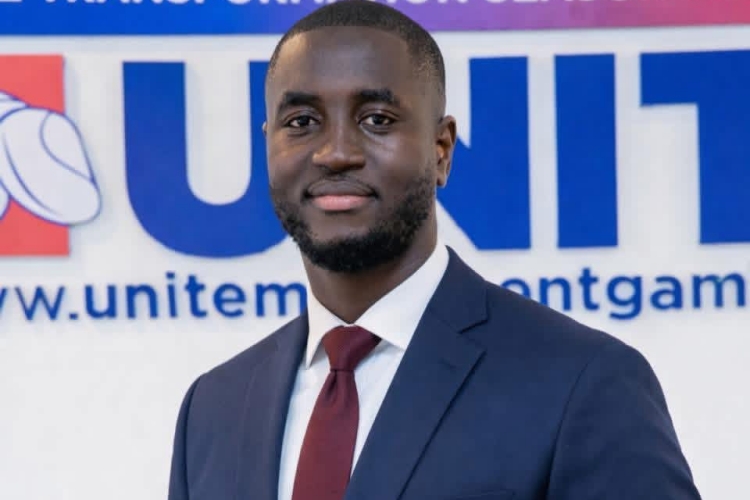
Gambiaj.com – (BANJUL, The Gambia) – The opposition Unite Party has proposed that the presidential candidate for any opposition coalition ahead of the 2026 elections should be selected through an independent public opinion survey rather than by party delegates.
Speaking in an interview after the party’s official registration by the Independent Electoral Commission (IEC), Unite spokesperson Kemo Bojang said coalition negotiations should be driven by the wishes of Gambians, arguing that the electorate, not political parties alone, should determine who leads a united opposition.
“We believe the wishes and aspirations of the people need to be captured,” Bojang said. “If Gambians are asking for a coalition, then we must go back to them and ask them who they want to lead that coalition.”
His comments come as several opposition parties continue discussions aimed at forming a coalition to challenge the ruling National People’s Party (NPP) in the 5 December 2026 presidential election.
Bojang said Unite remains open to joining a coalition but insisted that the process of selecting a flagbearer must be more inclusive and transparent than previous arrangements.
“We have always said Unite will be the next government or be part of the next government,” he said. “We are willing to work with other opposition parties, but the process must reflect what Gambians want.”
He proposed that an independent research institution, such as CEPRASS, be engaged to conduct a nationwide opinion survey to determine the most preferred coalition candidate.
“We have credible institutions in this country that have consistently conducted reliable surveys,” he said. “The coalition could engage one of these institutions and give them a one-month window to go around the country and ask Gambians who they believe should lead the coalition.”
According to Bojang, the survey should account for 50 percent of the selection process, while the remaining 50 percent should be based on eligibility criteria agreed upon by coalition partners.
“Once that is done, people will feel they are part of the process,” he said. “Delegates often represent the interests of their political parties, but we are building a coalition for the Gambian people.”
He argued that relying solely on party delegates risks sidelining the broader electorate and could undermine confidence in the coalition.
Referring to the opposition coalition that preceded the 2016 presidential election, Bojang said disagreements over the flagbearer selection process left lasting divisions among participating parties.
“The scars of 2016 are still fresh,” he said. “We need a process that builds confidence and ensures that the people have ownership of the coalition.”
While reaffirming Unite’s willingness to compromise, Bojang maintained that no single political platform should dominate coalition negotiations.
“We are not giving exclusivity to anybody,” he said. “From the beginning, we have encouraged all coalition initiatives to bring their ideas together into one platform.”
He described compromise as essential to building a successful alliance, saying no coalition could succeed if participants adopted rigid positions.
“Coalition building is all about compromise,” he said. “You cannot build anything with a non-compromising position, especially when you are trying to build with other people.”
Bojang also argued that coalition discussions should extend beyond political parties to include civil society organizations and other organized groups.
“If we are building a grand coalition, then every important section of society should have a voice in the process,” he said.
Despite advocating for opposition unity, he acknowledged that not every political party may ultimately join a coalition.
“It is okay if not everybody comes to the table,” he said. “That does not make them unpatriotic. It simply means they have chosen a different path.”
The Unite spokesperson reiterated that the party remains committed to coalition talks but is equally prepared to contest the presidential election independently if negotiations fail.
“If push comes to shove, we do not mind going alone,” he said. “But we continue to believe that Gambians have expressed a desire for opposition unity, and we are listening to that call.”
The Unite Party was recently granted official registration by the Independent Electoral Commission, allowing it to operate as a fully recognized political party ahead of the 2026 electoral cycle.





Leave a Reply