


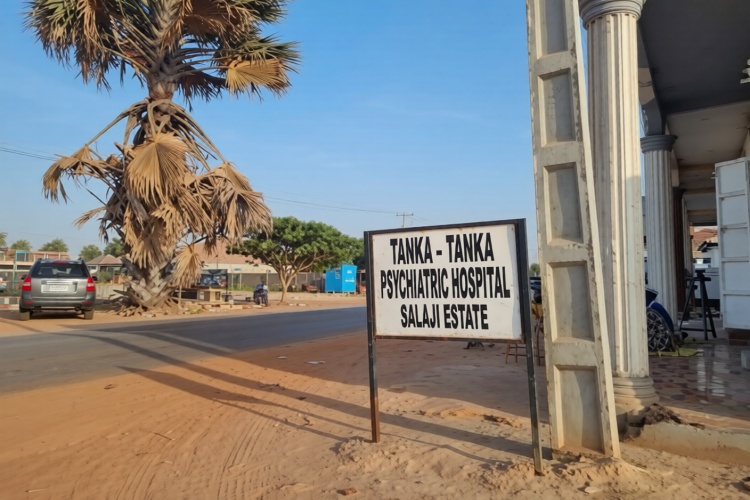
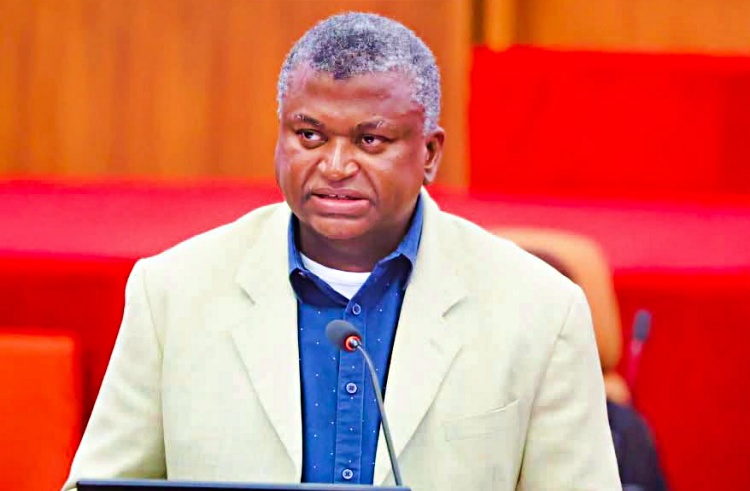
Gambiaj.com – (BANJUL, THE GAMBIA) – People with mental health conditions who receive treatment in The Gambia can face an uncertain future after leaving hospital, with some families unable or unwilling to take them home, Health Minister Dr Ahmadou Lamin Samateh has told the National Assembly.
The disclosure highlights a major gap in the care of vulnerable people living on the streets. While health services can identify, assess and treat those in need, finding safe and appropriate support for them after discharge remains a challenge.
The issue was raised by Hon. Lamin Ceesay, the National Assembly Member for Kiang West, on behalf of Hon. Modou Lamin B. Bah, the NAM for Banjul North. He asked about the government’s response to people with mental health conditions living on the streets, including those suffering from physical injuries.
Dr Samateh said the National Mental Health Program, Tanka Tanka Psychiatric Hospital and civil society organizations work together to identify people in need and refer them for assessment and treatment.
Those identified are referred to outpatient clinics or, where necessary, to Tanka Tanka for further care, he said.
But treatment is only part of the problem. The minister acknowledged that discharge can become difficult when families cannot or will not receive their relatives back, even after they have been located.
Without adequate support after leaving hospital, people recovering from mental health conditions may struggle to continue treatment and could face the risk of returning to the streets.
Dr Samateh said addressing the problem requires coordinated action involving the Ministry of Health, the Ministry of Interior, the Department of Social Welfare, families and communities.
He also told lawmakers that a new Mental Health Bill is close to being finalized. The proposed legislation is expected to establish a rights-based framework for mental health care and clarify the responsibilities of the state, health professionals, families and relevant institutions.
The bill is also intended to provide a lawful and accountable basis for interventions involving people who cannot adequately care for themselves or face risks to their well-being.
Dr Samateh stressed the importance of dignity, human rights, safety and shared responsibility in caring for people with mental health conditions.
While government has a responsibility to provide mental health services and protect vulnerable people, he said families and communities also have a role to play in supporting relatives and working with health and social services.
The challenge facing The Gambia, therefore, extends beyond hospital treatment. It is also about ensuring that people who need continued care are not left without support once they leave hospital.







Leave a Reply