


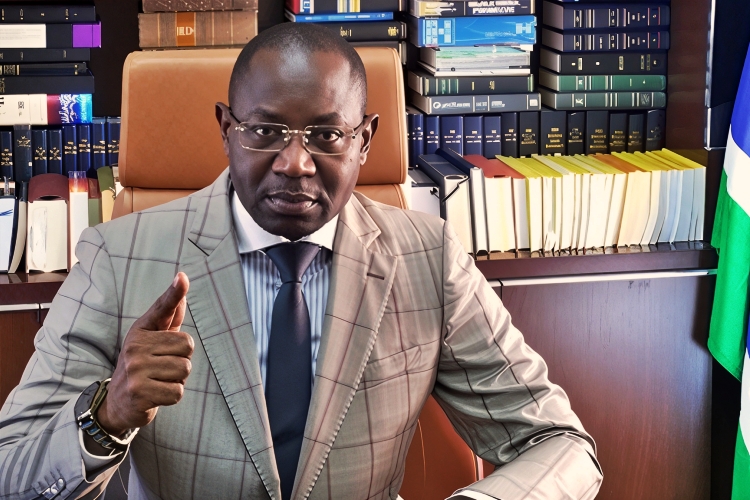
Gambiaj.com – (BANJUL, The Gambia) – Former Interior Minister Mai Ahmad Fatty has pushed back against Interior Minister Abdoulie Sanyang’s claim that there is no evidence of a controversial US$48 million forensic DNA laboratory agreement, insisting that the contract was duly signed in 2017 but never progressed beyond the initial stage.
The issue resurfaced recently in the National Assembly when Banjul North NAM Momodou Lamin Bah asked Minister Sanyang to provide details on the current status of the agreement between the Ministry of Interior and Dr. Cheikh Tidiane Sy Trading Centre for Diagnostics and Research in Molecular Medicine, including services delivered, payments made, and the circumstances surrounding any termination of the project.
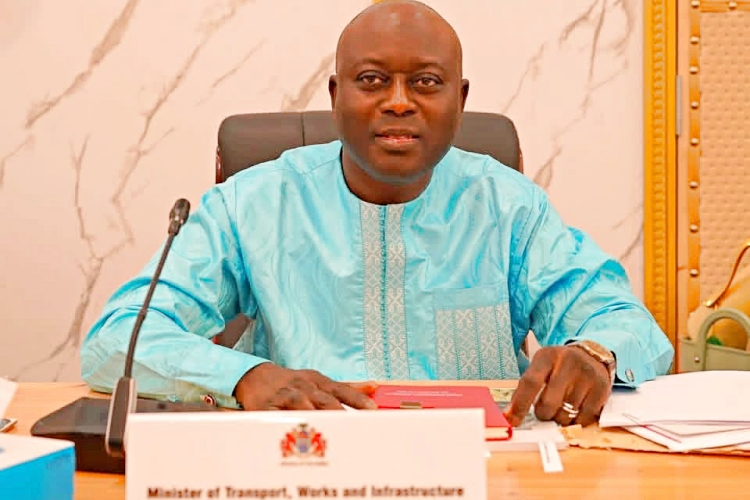
In response, Minister Sanyang told lawmakers that an extensive search of ministry records had yielded no evidence that such a contract had been signed.
“There is no evidence that such a contract has been signed by the Ministry of Interior,” Sanyang said, adding that he and his team conducted “a very extensive search from the closed files but could not find any documentation regarding this particular project.”
Contacted by The Standard for clarification, Fatty said the minister’s statement does not negate the fact that the agreement was signed during his tenure, stressing that the project never moved into implementation and did not result in any financial loss to the state.
“The project did not commence, but its failure too did not cause any loss to the public purse because there was no public purse engaged,” Fatty said.
“It simply did not progress beyond where I left it after my departure from the Ministry. Whether or not records of the Agreement remain on file at the Ministry, I am confident that I left them there in proper order.”
Fatty suggested that the inability to locate the records, if true, raises concerns about institutional record-keeping rather than the existence of the agreement itself.
“The absence of institutional memory, if true, is a matter of administrative concern that others must address,” he added.
Why the Project Was Conceived
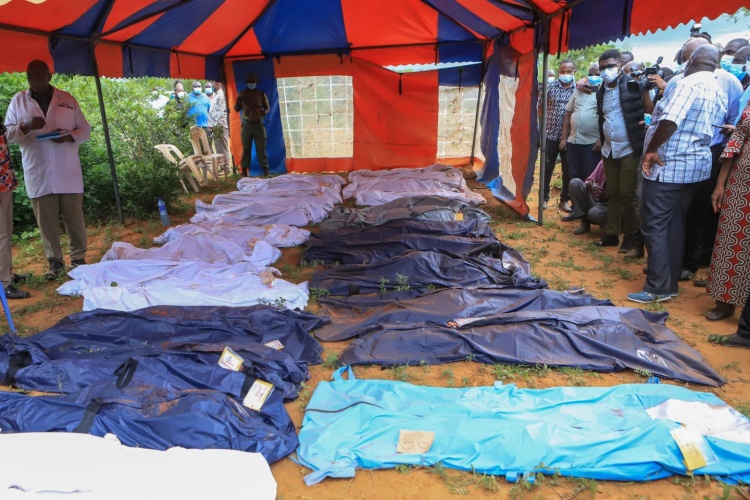
Explaining the rationale behind the proposed forensic laboratory, Fatty said the initiative emerged in the aftermath of the political transition of 2017, when the government faced the challenge of identifying victims allegedly killed during the rule of former president Yahya Jammeh.
According to him, remains were being discovered in wells, bushes, and unmarked graves across the country, while The Gambia lacked any domestic forensic DNA capability.
“At that time, The Gambia had no forensic DNA capability whatsoever. We were compelled to rely on the laboratory of Dr. Cheikh Tidiane Sy in Dakar, a facility certified by the FBI to carry out forensic identification work on the remains of our own dead,” Fatty said.
He argued that dependence on foreign laboratories was costly, slow, and undermined the country’s ability to independently conduct forensic investigations.
Fatty said the proposed project was intended not only to support DNA identification of victims but also to establish The Gambia as a regional center for forensic science, capable of handling ballistics analysis, cybercrime investigations, biological testing, and the processing of evidence in rape and other criminal cases.
‘Not a Dollar Was Paid’
Addressing concerns over the widely reported US$48 million value of the project, Fatty maintained that no government funds were ever disbursed.
“The State did not lose or pay one single dalasi. There was no financial disbursement of any kind, in any direction, at any point,” he said.
He explained that the US$48 million figure represented the projected value of the proposed development rather than money that had been allocated or transferred.
Fatty further disclosed that the government’s anticipated contribution was limited to the provision of land and support in leveraging the international network of the project’s principal partner.
However, he said neither land nor funding was ever provided.
He described the agreement as a framework arrangement that would have required the involvement of multiple government institutions, including the Ministry of Finance’s Public-Private Partnership Division, the Gambia Police Force, the National Security Council, the Ministry of Justice, and the Judiciary.
Ready to Face Parliamentary Scrutiny
Fatty, who leads the GMC party, said he would welcome an invitation from the National Assembly to provide further details on the matter.
“I will consider it a great honor to appear willingly, promptly, and without the need for any compulsion and at the full glare of the media,” he said.
The former minister added that he has “nothing to conceal” and is prepared to account for all actions taken during his tenure at the Interior Ministry.
“I have no fear of scrutiny, because everything I did, I did in the open, in the name of the Gambian people, and in their service,” Fatty said.







Leave a Reply