


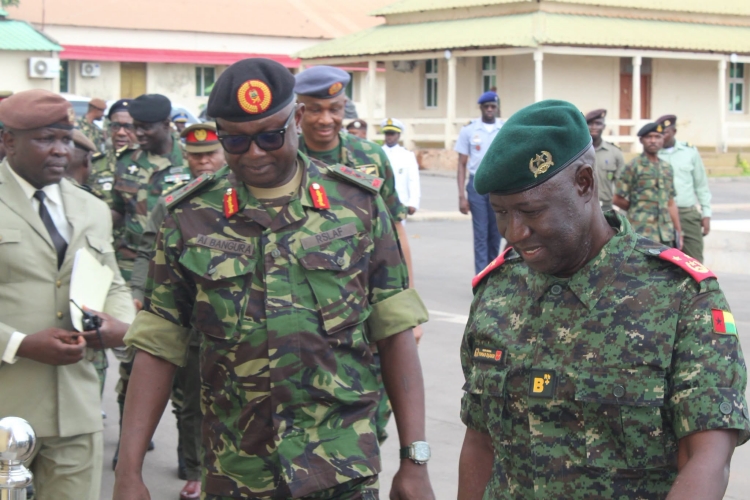
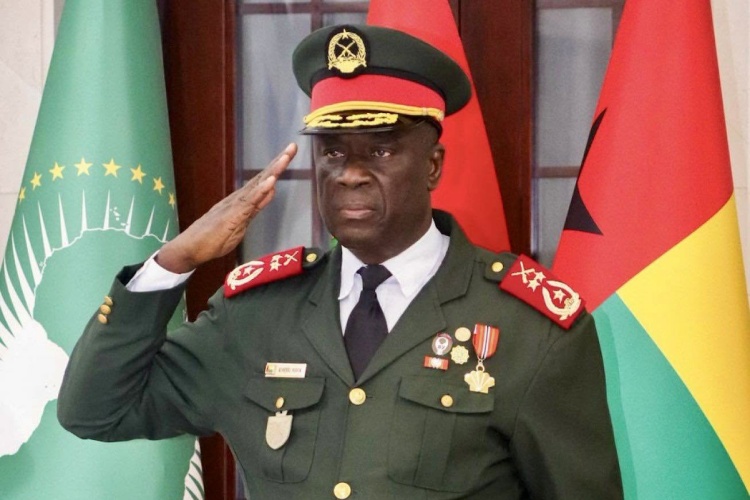
Gambiaj.com – (BISSAU, Guinea-Bissau) – A delegation of chiefs of defense staff from member states of the Economic Community of West African States (ECOWAS) has completed a three-day mission in Guinea-Bissau aimed at assessing the country’s ongoing political transition following the military takeover of November 2025.
According to the official page of Guinea-Bissau’s People’s Revolutionary Armed Forces (FARP), the delegation arrived in Bissau on Friday evening and held consultations with military, paramilitary, and diplomatic stakeholders as part of ECOWAS’ efforts to monitor developments in the country.
The mission is led by Sierra Leone’s Chief of Defense Staff, Amara Idara Bangura, and includes military chiefs from Côte d’Ivoire, Ghana, Nigeria, and Senegal.
The junta said the visit forms part of efforts to monitor the 12-month transition period announced by the military authorities after they seized power on November 26, 2025. The junta subsequently pledged to organize presidential and legislative elections on December 6, 2026.
The military takeover led to Guinea-Bissau’s suspension from international organizations, including ECOWAS, which has since deployed a series of diplomatic missions in an attempt to mediate the political crisis and encourage a return to constitutional order.
According to FARP, the visiting delegation conducted working sessions with Guinean military and paramilitary authorities. Local media reports indicate that the ECOWAS military chiefs also met diplomatic representatives of ECOWAS member states stationed in Bissau.
The visit comes months after a similar mission by ECOWAS military chiefs was scheduled shortly after the coup but was cancelled without explanation.
In the aftermath of the aborted visit, Senegal’s Foreign Minister Cheikh Niang and Defence Minister General Birame Diop separately travelled to Bissau to press for implementation of directives issued by ECOWAS heads of state following the military takeover.
Pressure for Civilian Rule
Among ECOWAS’ key demands are the establishment of a civilian-led government, the withdrawal of military authorities from direct governance, and the release of detained political figures.
Particular attention has focused on Domingos Simões Pereira, leader of the African Party for the Independence of Guinea and Cape Verde (PAIGC) and elected president of the parliament dissolved in 2023.
Pereira was arrested on the day of the coup and spent more than two months in detention before being transferred to house arrest in January. His lawyers and opposition supporters have repeatedly called for his unconditional release, arguing that his continued confinement lacks legal basis.
The veteran politician is being investigated by a military court over allegations that he participated in an attempted coup in October 2025. His legal team has rejected the accusation.
The alleged plot reportedly occurred a month before the general elections of November 23, 2025, which were interrupted by the military takeover three days later before official results could be announced.
Electoral Dispute Remains Unresolved
The political crisis remains closely tied to the disputed electoral process that preceded the coup.
Opposition candidate Fernando Dias claimed victory over then-President Umaro Sissoco Embaló, who was subsequently removed from office by the military. Opposition groups have described the coup as a staged intervention designed to prevent confirmation of an electoral defeat.
Pereira and the PAIGC, one of the country’s oldest political parties, were barred from participating in the elections following a court ruling. The party subsequently backed Dias, who spent nearly two months taking refuge in the Nigerian Embassy in Bissau before returning to his residence.
ECOWAS continues to monitor developments in Guinea-Bissau, with the situation expected to feature prominently at the bloc’s next summit of heads of state, scheduled to take place next month in Freetown, Sierra Leone.
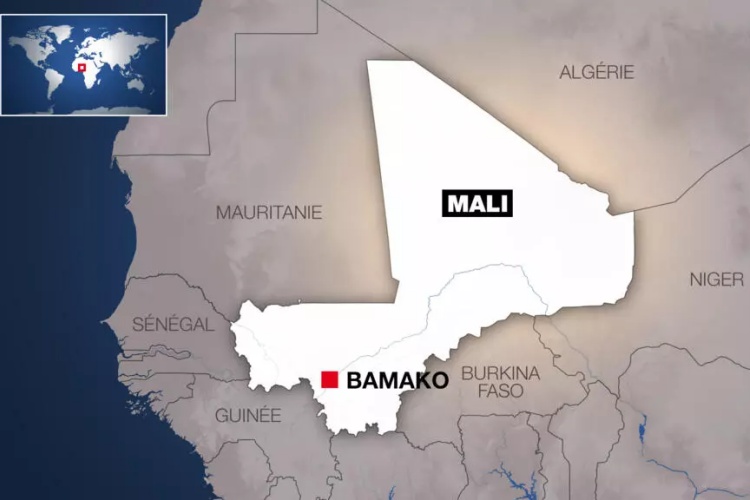
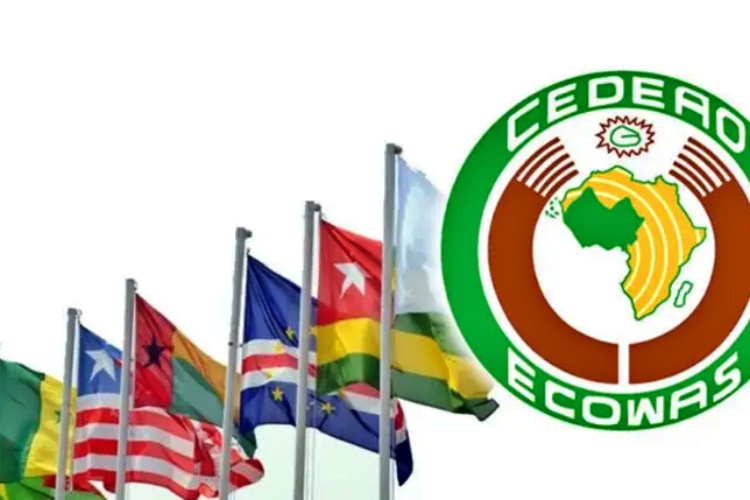
Following the withdrawal of Niger, Burkina Faso, and Mali from the regional bloc, ECOWAS currently comprises 11 member states: Benin, Cape Verde, Côte d’Ivoire, The Gambia, Ghana, Guinea, Liberia, Nigeria, Senegal, Sierra Leone, and Togo.


Leave a Reply