


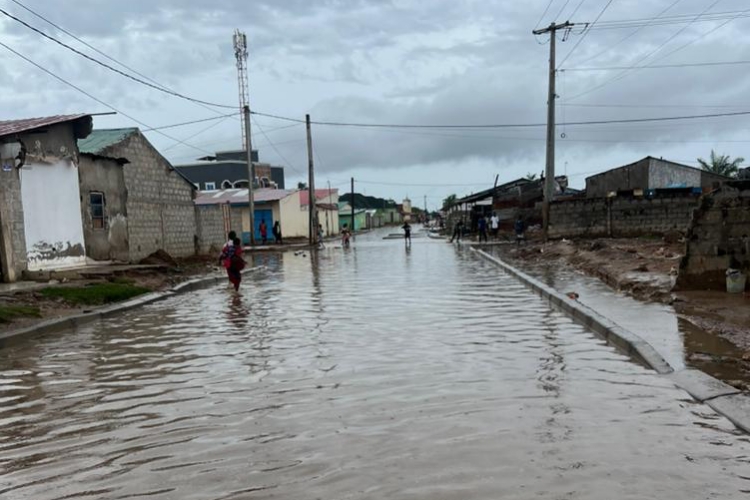
Gambiaj.com – (BANJUL, The Gambia) – As the rainy season draws closer, residents in flood-prone communities across the Greater Banjul Area are once again bracing for uncertainty — this time with a government acknowledgement that planned interventions to prevent flooding remain stalled due to unreleased funding.
Vice President Muhammed B.S. Jallow disclosed to lawmakers on Wednesday that while the government has identified key measures needed to reduce flooding in Tallinding and surrounding communities, their implementation hinges entirely on the availability of financial resources yet to be disbursed.
“If we get the allocation today, work will start tomorrow,” the Vice President said, in a remark that laid bare both the government’s readiness and its frustration with the pace of budget release.
VP Jallow said technical assessments are currently underway, including plans for excavation works designed to improve drainage channels and allow stormwater to drain into nearby wetlands. He added that the broader assessment would also examine the wider drainage network and explore long-term structural solutions to what has become a recurring annual crisis.
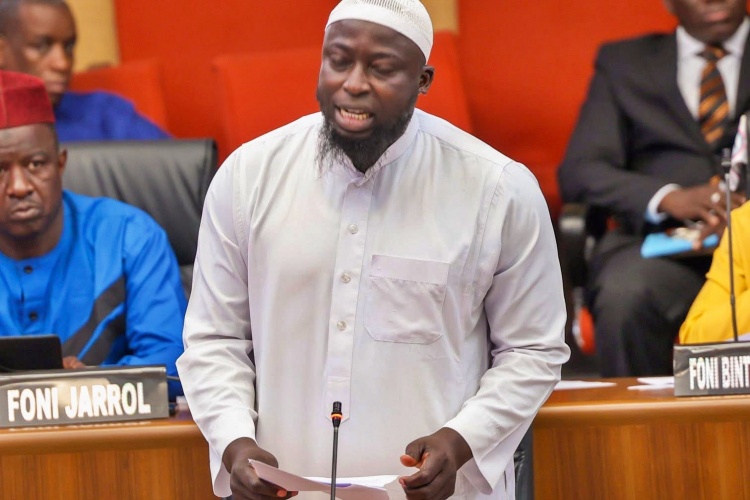
The issue was raised in the National Assembly by Tallinding lawmaker Musa Badjie, who voiced alarm over the timing of the government’s response.
Badjie warned that with the rains imminent, affected communities cannot endure another season of severe flooding, and pressed the government to treat the situation as an emergency, securing the required funding immediately rather than waiting on routine budgetary channels.
In response, VP Jallow acknowledged the urgency, confirming that discussions were actively ongoing with the Ministry of Finance to secure the release of the required funds.
Flooding has long been a persistent and damaging reality for residents in several communities, where a combination of blocked drainage systems, construction around waterways, and inadequate water flow infrastructure has repeatedly left homes, roads, and livelihoods submerged during the rainy season.
The Vice President also pointed to illegal settlements in flood-prone zones as a compounding challenge in flood management, indicating that relocation may be considered in certain cases.
He stressed, however, that any such relocation would be carried out through a structured process that includes proper planning and appropriate compensation for affected residents.
With the rains approaching and memories of last season’s devastation still fresh, communities are now watching closely to see whether the government’s promised interventions will materialise in time — or whether they will once again be left to weather the floods on their own.






Leave a Reply