


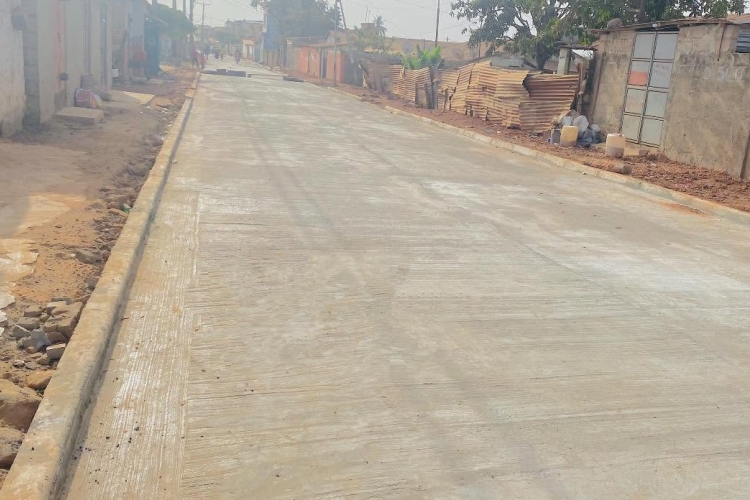
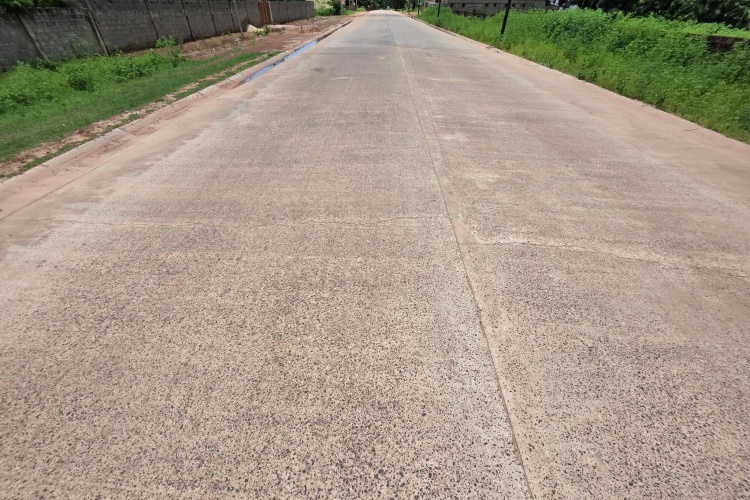
Gambiaj.com – (BANJUL, The Gambia) – In Ebotown, Serekunda, and New Jeshwang, newly constructed roads were built to ease movement, improve access, and modernize rapidly growing urban communities. But as The Gambia edges closer to the rainy season, many residents say those same roads are now at the center of a growing fear, that development without adequate drainage may be deepening, rather than reducing, the flood risk they face every year.
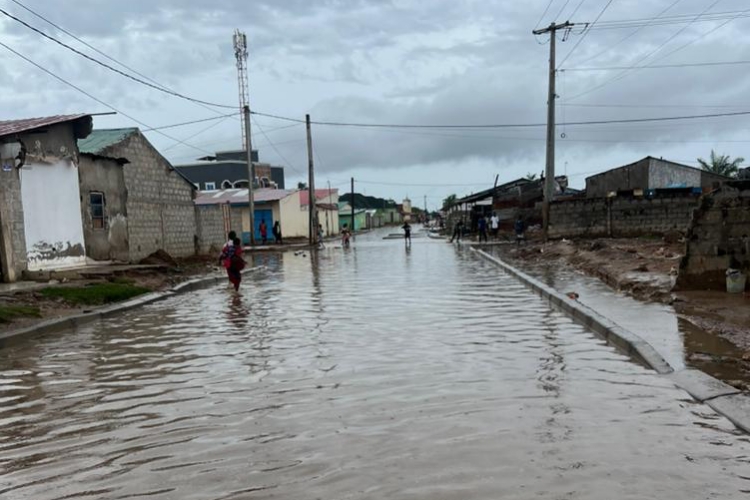
Across Greater Serekunda, where urban expansion continues at a relentless pace, communities say previous rainy seasons have already exposed the area’s vulnerability to flooding.
Now, with new road infrastructure in place but drainage systems visibly limited, residents fear the approaching rains could further strain an already fragile urban environment.
In Ebotown, 42-year-old Awa Jallow says the new road in her area has stirred more unease than reassurance.
“The road looks beautiful, yes,” she said. “But we are afraid of what will happen when the rain starts. The water has nowhere to go. It already collects near our compounds even before the heavy rains.”
For Jallow and her neighbors, each rainy season arrives with a familiar weight of anxiety, shaped by years of difficult experience.
“Before, we had problems,” she added. “But now we fear it may be worse.”
The concern is not confined to Ebotown. In Tallinding, small business owners say even moderate rainfall in previous years has disrupted movement and gutted economic activity along busy commercial stretches.
Lamin Sowe, who runs a kiosk at a busy junction, says residents are not opposed to development but are questioning whether it is being done thoughtfully.
“When it rains heavily, people cannot pass,” he said. “Customers stay away. If it becomes worse this year, it will affect everyone.”
He added, “We are happy for the roads. But without proper drainage, the roads alone will not solve anything.”
For families in Ebotown, the psychological toll of the rainy season is just as real as the physical risk. Mariama Bah, a mother of three, says households begin preparing weeks before the first downpours arrive.
“When the rains are near, we start thinking about how to protect our homes,” she said. “We know water can enter anytime.”
Like many of her neighbors, Bah says her family typically moves belongings to higher ground as a precaution, a routine born not of habit but of hard-learned necessity.
“We don’t know how this year will be,” she said. “That is what worries us most.”
The concerns raised by residents are not without foundation. Blocked gutters, sand accumulation, and plastic waste are visible in parts of Greater Serekunda, raising serious questions about whether stormwater systems can cope once the rains intensify. Residents say drainage planning has conspicuously failed to keep pace with road construction.
An urban development expert, who requested anonymity, said the failure to integrate drainage into road design is a well-documented driver of urban flooding, and one with particularly severe consequences in low-lying communities.
“Roads must be designed together with drainage systems, especially in areas already vulnerable to heavy rainfall,” the expert said. “If this is not done, water will naturally accumulate in residential areas.”
Environmental observer Modou Sey echoed that assessment, pointing to the convergence of rapid urbanization, weak enforcement of planning regulations, and chronically limited drainage infrastructure as the key factors heightening flood risk across Greater Serekunda.
As the rainy season draws near, residents in Ebotown, Tallinding, and surrounding communities say they are entering this period with apprehension rather than confidence, watching new infrastructure and wondering how it will hold up when the skies open.
For Lamin Sowe, the question cuts to the heart of what development should mean.
“We see development,” he said, “but we also see the same fear every year. So we ask, is this development, or are we building problems for the rainy season ahead?”
It is a question that urban planners, local authorities, and policymakers may soon be pressed to answer. With rainfall patterns growing more intense in recent years, residents say the standard is no longer simply roads that move people, but infrastructure built to withstand and manage the climate realities of a changing environment.





Leave a Reply